








There is a pervasive dream that seems to occupy the minds of modern city dwellers more frequently with each passing year. It is the dream of the escape—the notion of trading the concrete canyons and the relentless hum of the grid for the silence of the tree line and the autonomy of self-reliance.
However, for those of us with an appreciation for high-end design, the rustic cabin in the woods often lacks the sharp lines and architectural sophistication we crave.
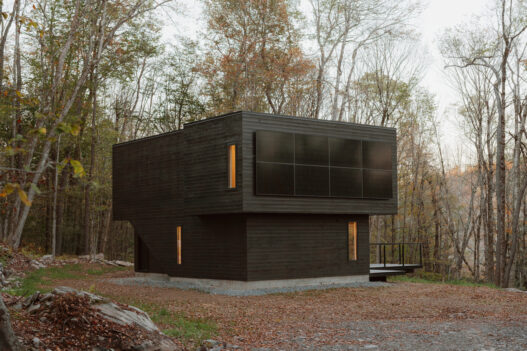
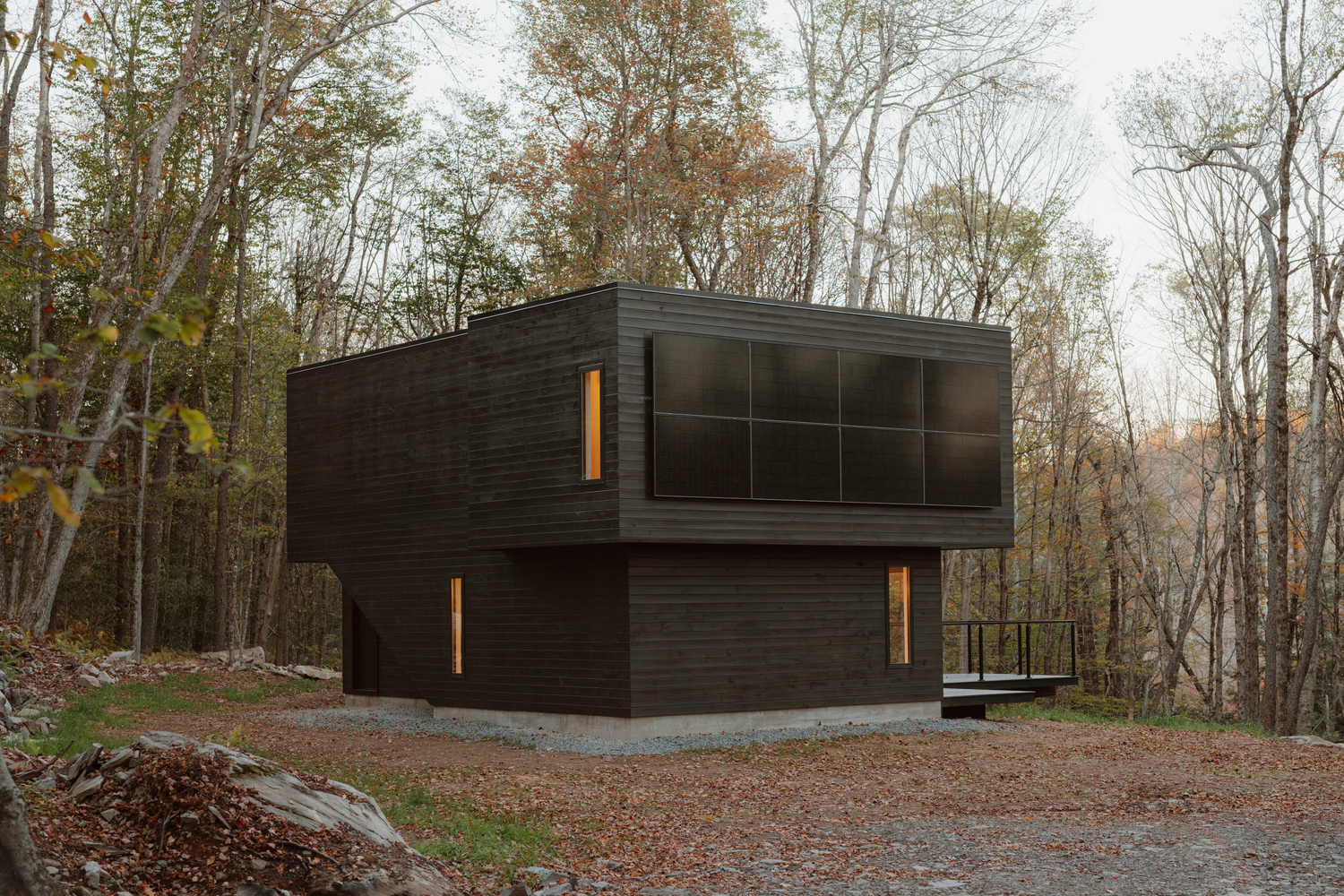
Enter the Forest Edge House, a breathtaking residential project in the West Catskills of New York State that manages to perfectly synthesize the rugged independence of off-grid living with the refined aesthetic of contemporary architecture.
Designed by the award-winning architect Marc Thorpe, this stunning structure represents the fifth solar-powered house built by Edifice Upstate. It serves as a masterclass in what they term “architecture of responsibility.”
Nestled discreetly on a lush 3-acre parcel of forest, the home doesn’t just sit on the land; it engages with it. Situated on a soft slope within the forested mountains, the design takes its cues from the surrounding rural agrarian vernacular of the Catskills.
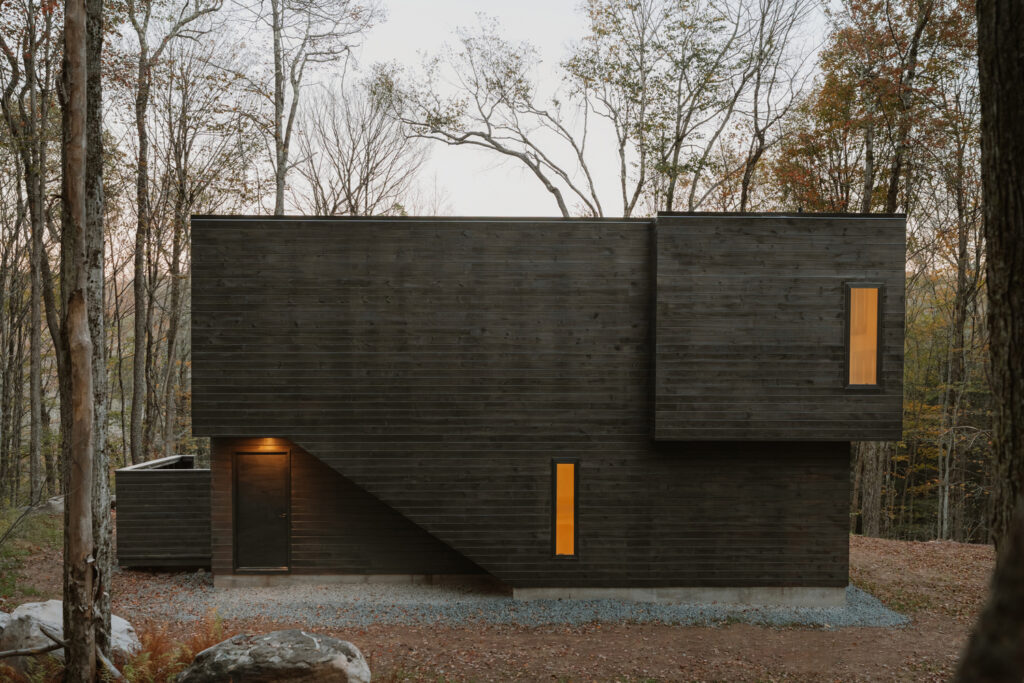
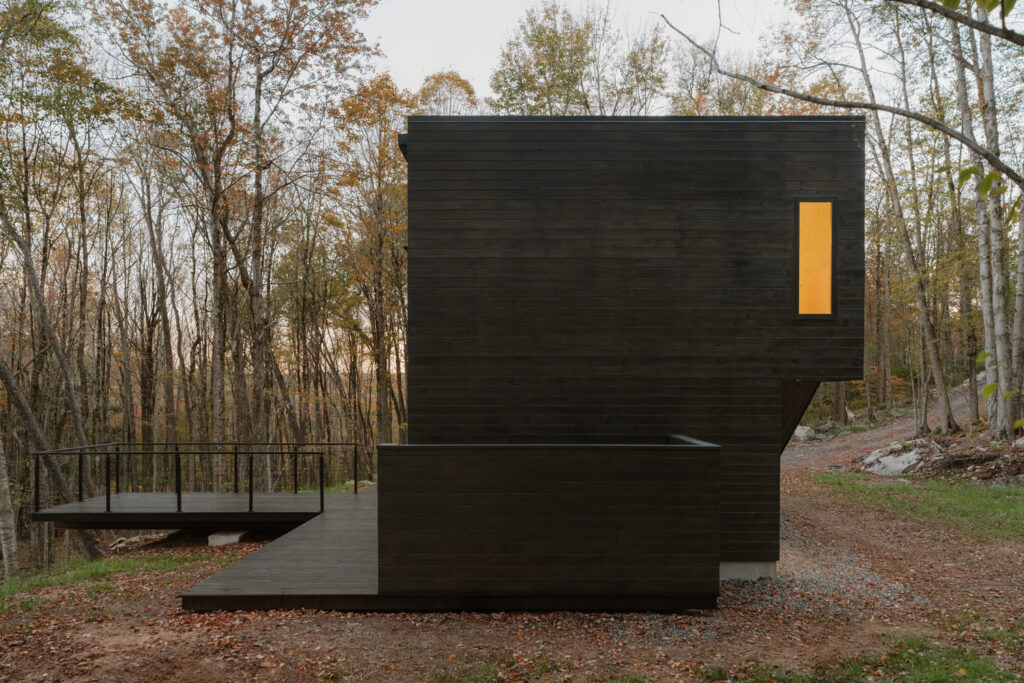
Yet, it elevates this traditional form into something distinctly modern, clad entirely in FSC-certified natural pine that promises to weather beautifully, allowing the structure to recede visually into the woods over time.
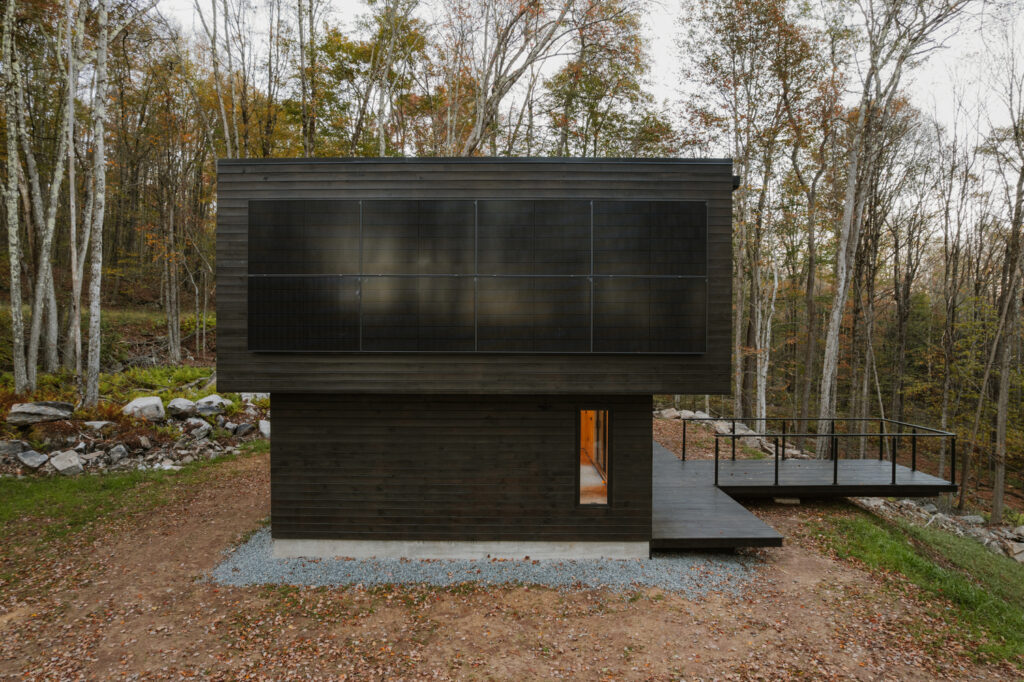
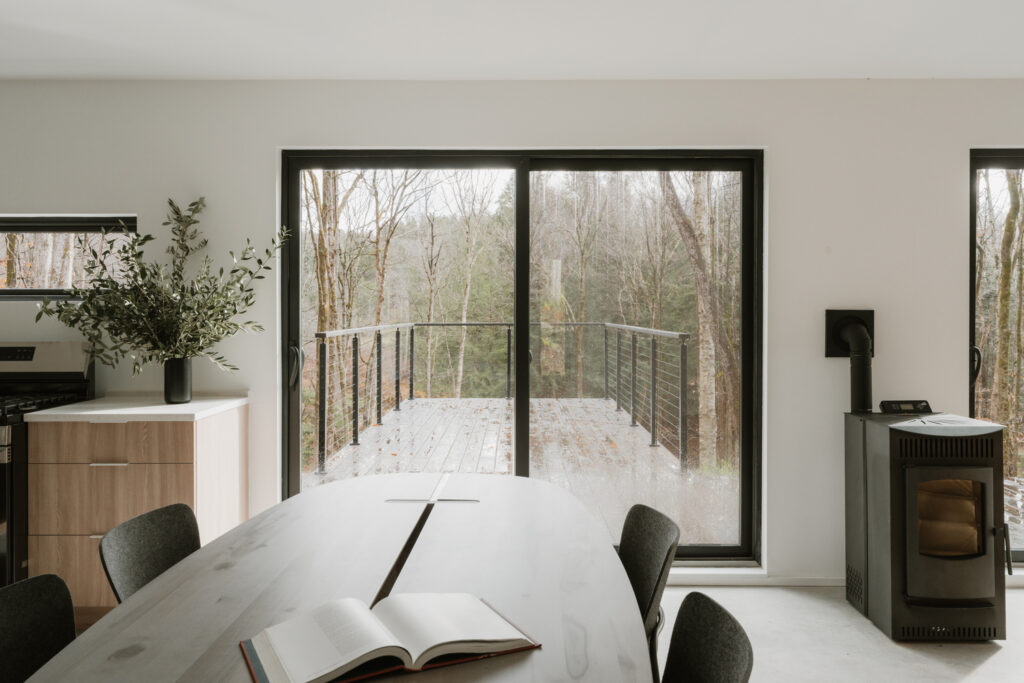
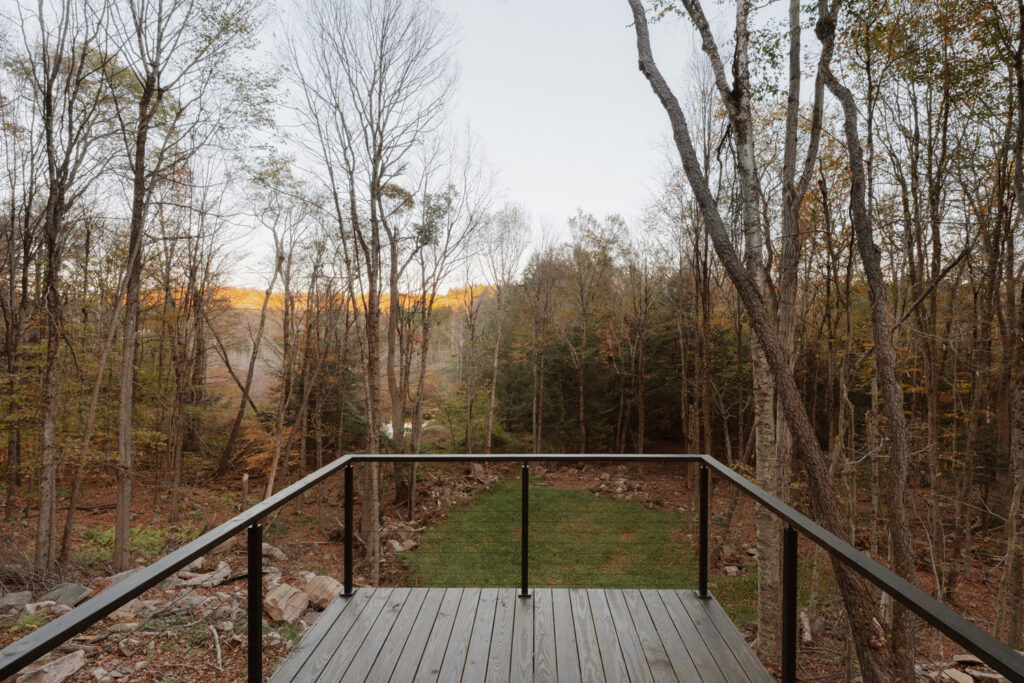
The most striking feature, and the one that undoubtedly catches the eye of any architecture enthusiast, is the dramatic 25-foot cantilevered steel deck. This isn’t merely a balcony; it is a bold architectural statement that thrusts the living space out into the void, reaching deep into the canopy of the surrounding tree line.
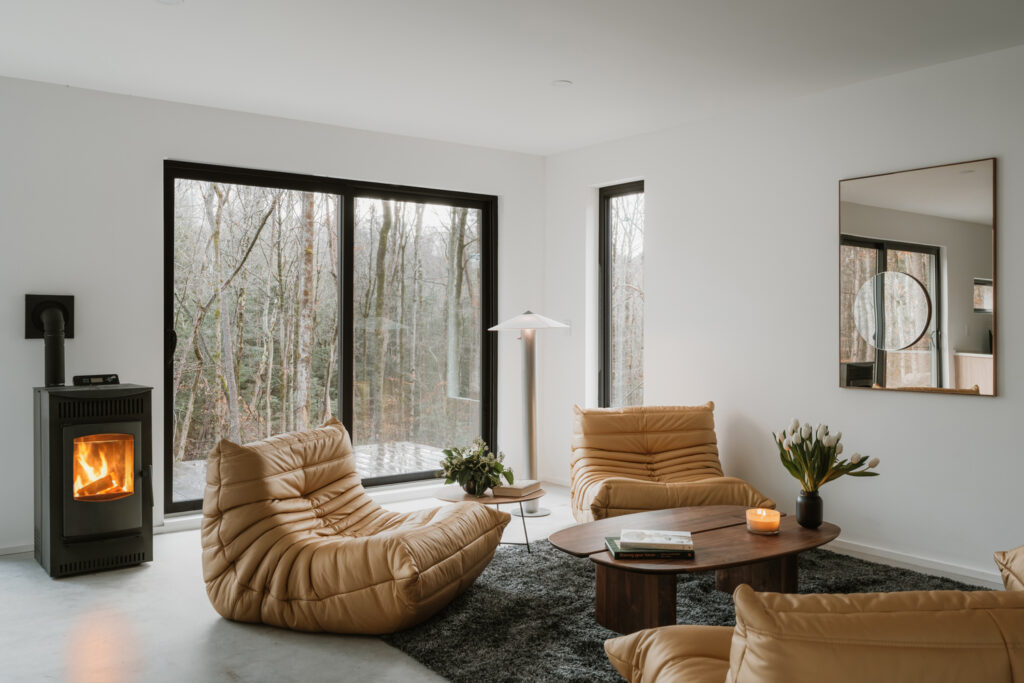
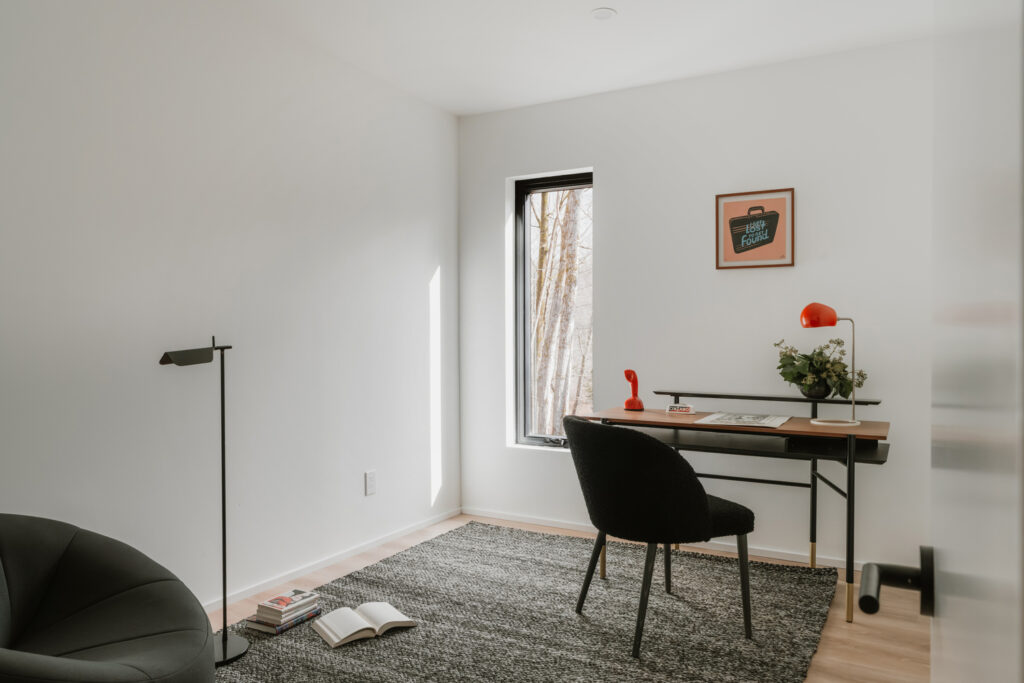
It blurs the boundary between the interior sanctuary and the wild exterior, offering a vantage point that makes you feel as though you are floating amongst the branches. Inside, the 1,500-square-foot, two-story layout continues this theme of connection.
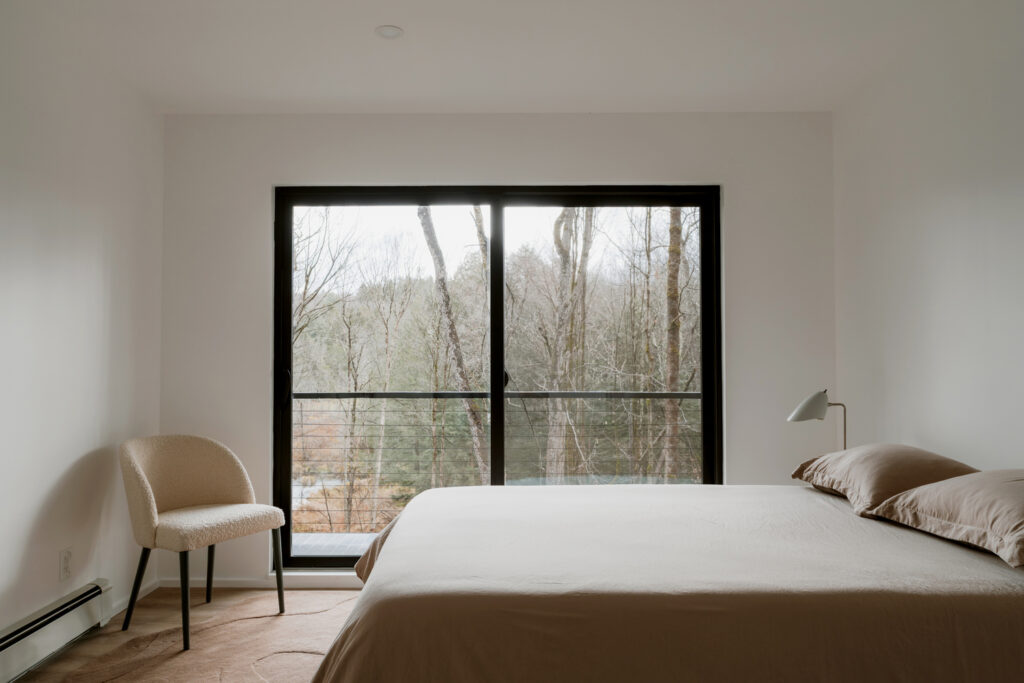
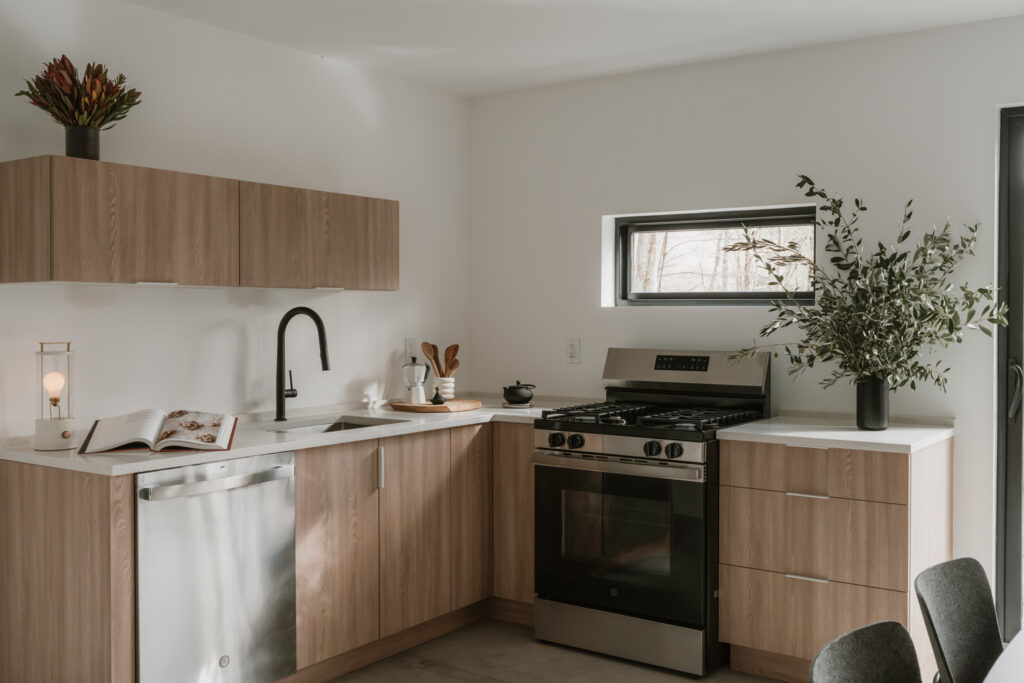
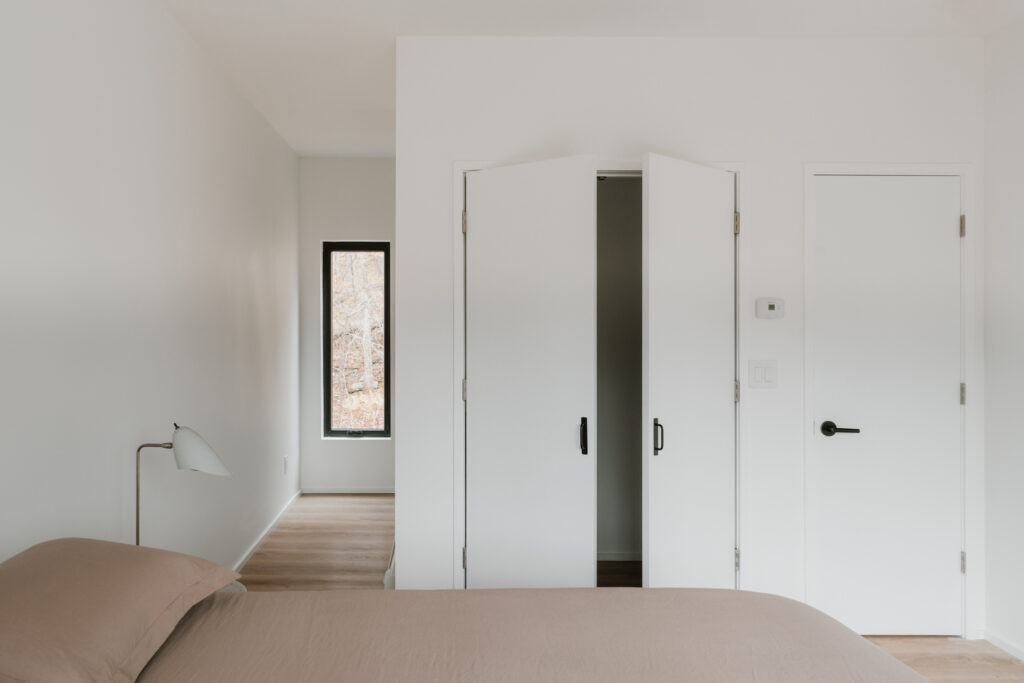
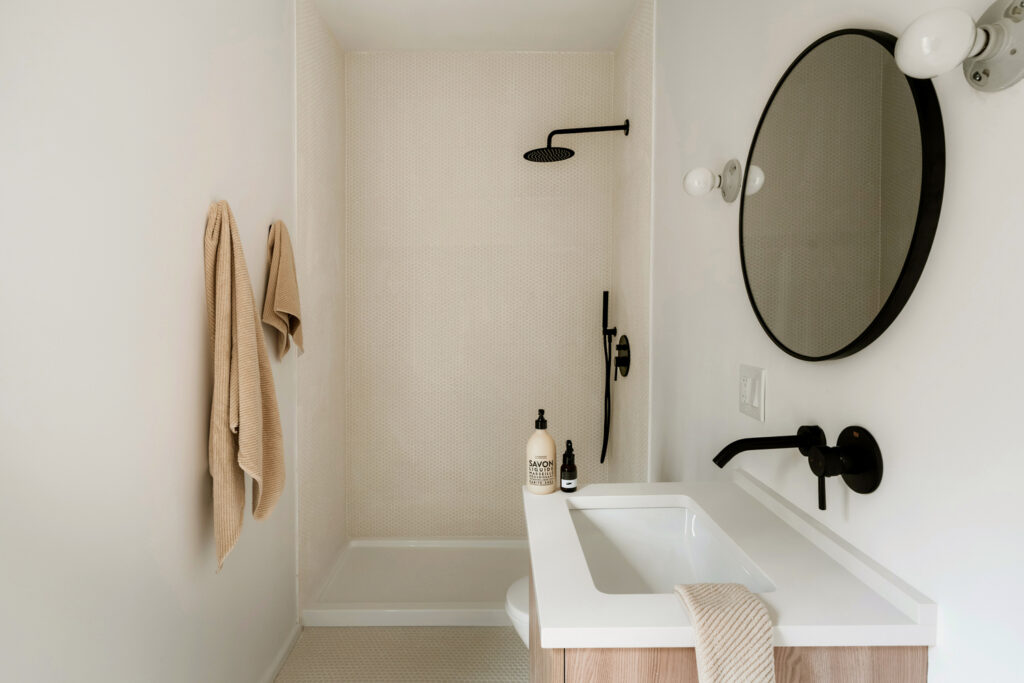
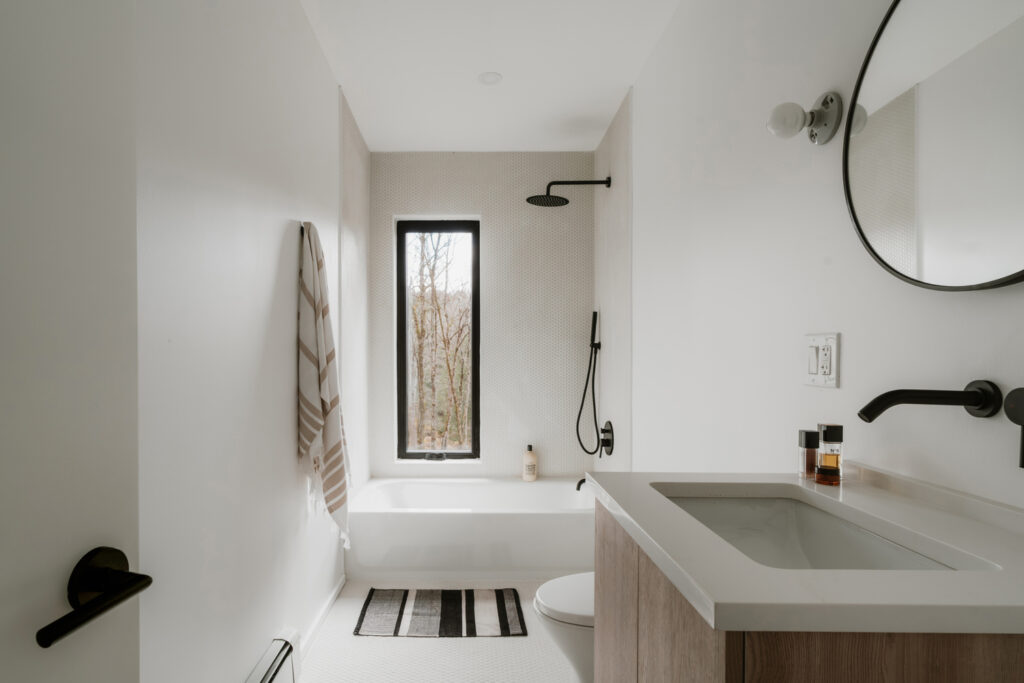
With three bedrooms and two full baths, the home is anchored by an open-plan living, kitchen, and dining area that benefits from the warmth of full-floor radiant heating—a necessary luxury for those crisp New York winters.
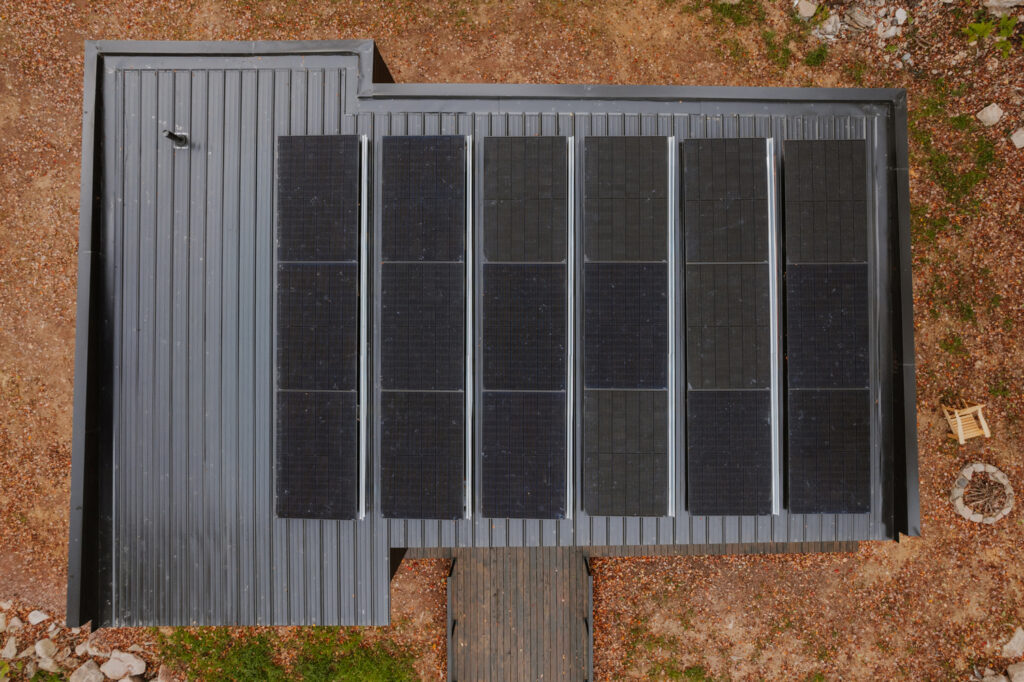
But the Forest Edge House is not just a pretty face; it is a fortress of sustainability. In a world where energy independence is becoming the ultimate luxury, this home stands as a beacon of autonomy. It is powered completely by solar energy, utilizing a robust array of 24 Monocrystalline solar panels.
These are hooked up to a 15K Sol-Ark inverter and a Lithium Ion LifePo battery bank, a system capable of generating 38kWh of daily electricity. This infrastructure ensures that the home is self-sustaining and independent, a physical manifestation of a belief in individuality and resilience.
Marc Thorpe’s vision for the Forest Edge House goes beyond the physical materials. He describes the architecture as an internalized place defined by the harmony of our existence with nature. It is an attempt to create work that is holistic, balanced, and eternal.
By systemically connecting the built environment to the natural one through ecologically sustainable technology, the house becomes more than just a dwelling; it becomes an opportunity to take back our autonomy.
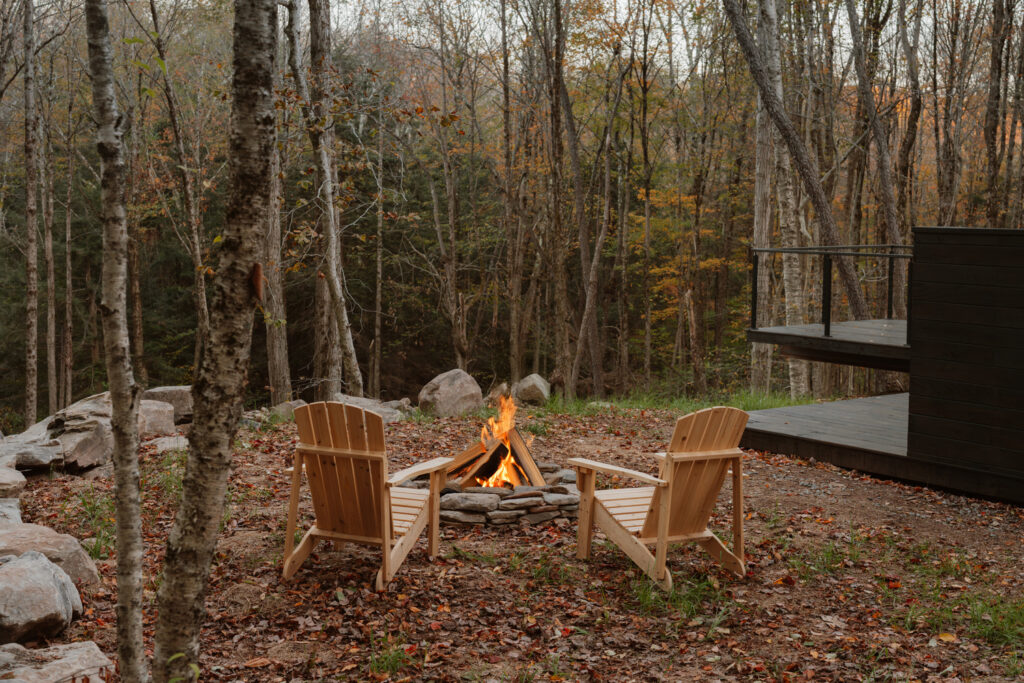
For those looking to escape the noise without leaving behind the comforts of modern design, the Forest Edge House offers a glimpse into a future where we can live responsibly, respectfully, and stylishly on the very edge of the wild.