










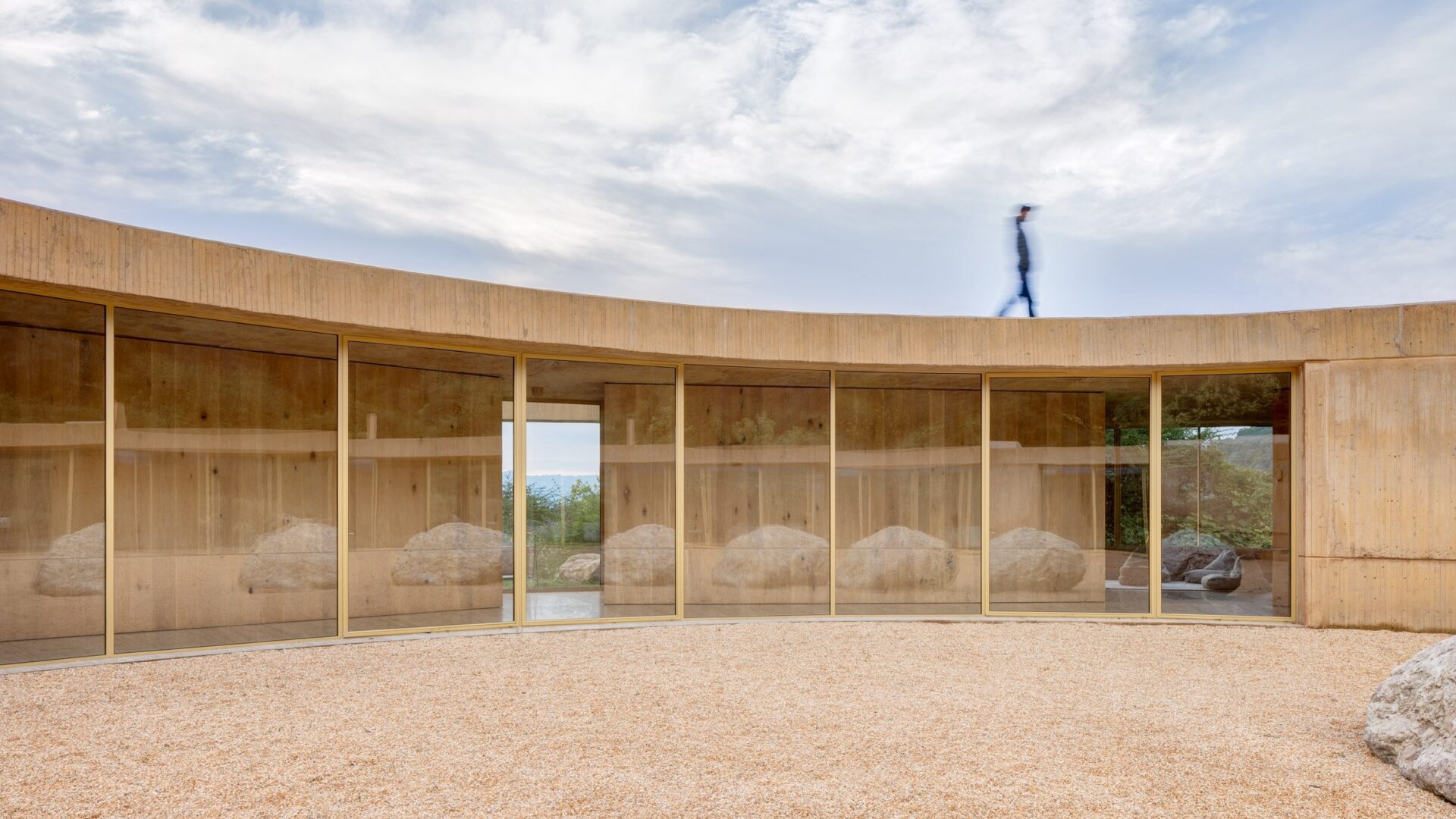
Here at The Coolector, we’ve got a serious appreciation for architecture that does more than just occupy a space; we admire structures that actively engage with their environment. This brings us to House 720 Degrees, an audacious and brilliant piece of design from the Mexico City-based studio Fernanda Canales Architecture.
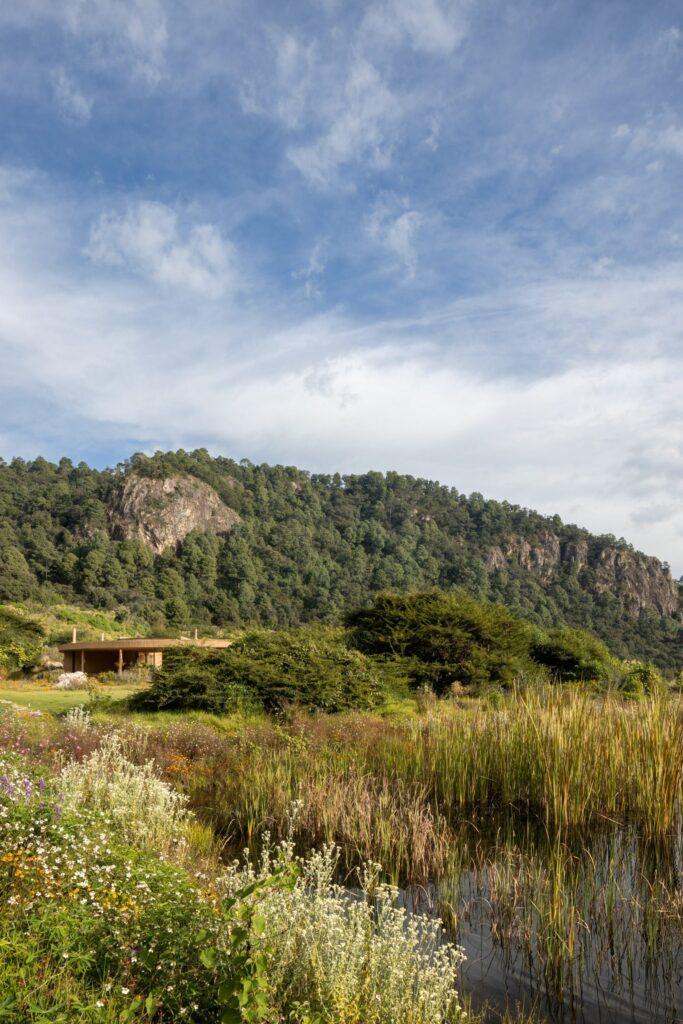
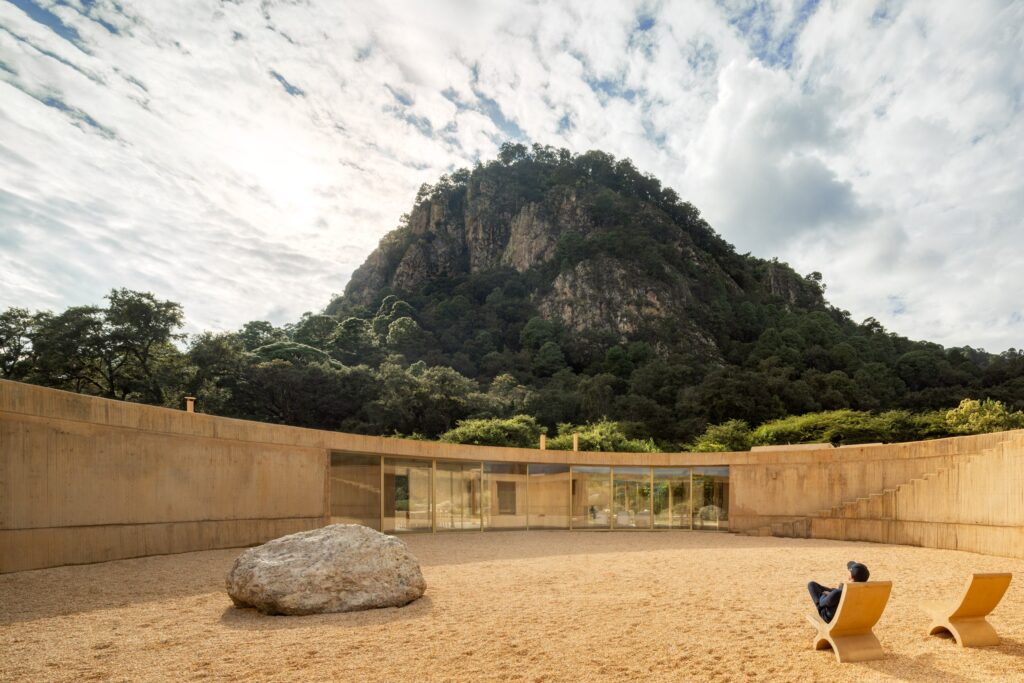
Tucked into a remote two-acre site outside Valle de Bravo, Mexico, this isn’t just a home; it’s a “geometric and optical device.” The name itself is a stroke of genius, a nod to the home’s core concept. It transcends a typical 360-degree panoramic view by offering two: a complete 360-degree view of the stunning external landscape, and another 360-degree view facing inward, toward a magnificent central courtyard. It’s a home designed to look outward and inward with equal clarity.
Completed in 2024, this 12,000-square-foot residence was conceived as a dwelling for two families, a challenge that demands a masterful balance of community and privacy.
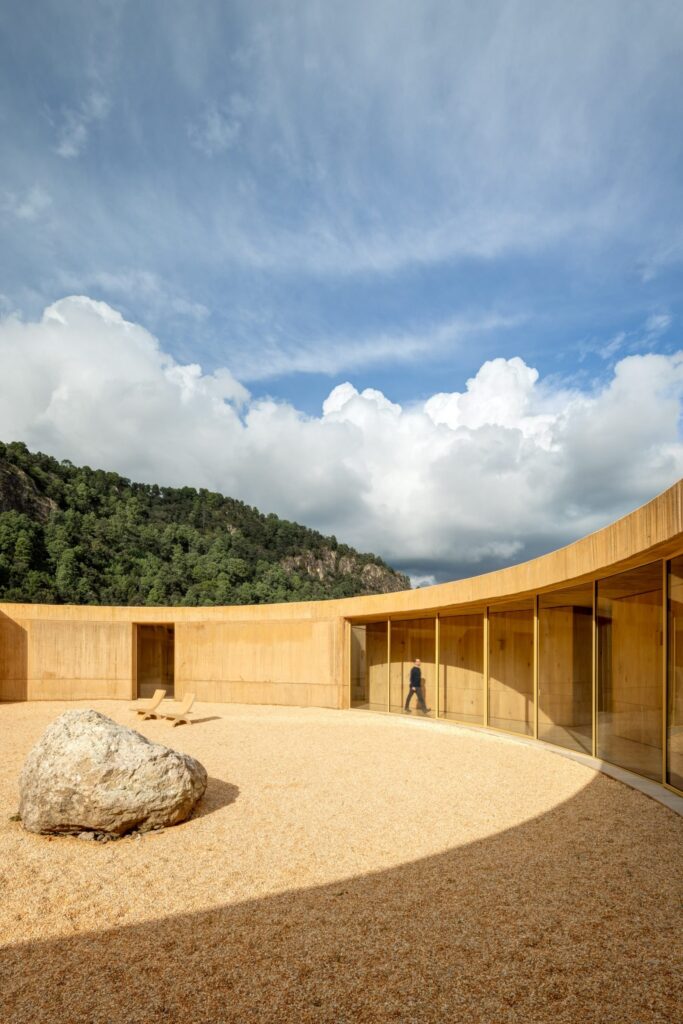
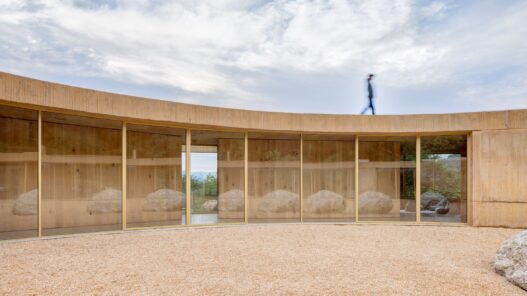
The solution is a stunning main house shaped like a perfect ring, complemented by a detached secondary volume containing sleeping areas. The circular structure was inspired by the simple, profound mechanics of a sundial, designed to be a “solar clock” that measures the passage of time through the interplay of light and shadow across its unique form. This is architecture as a time-telling instrument, a structure that connects its inhabitants to the daily rhythms of the planet.
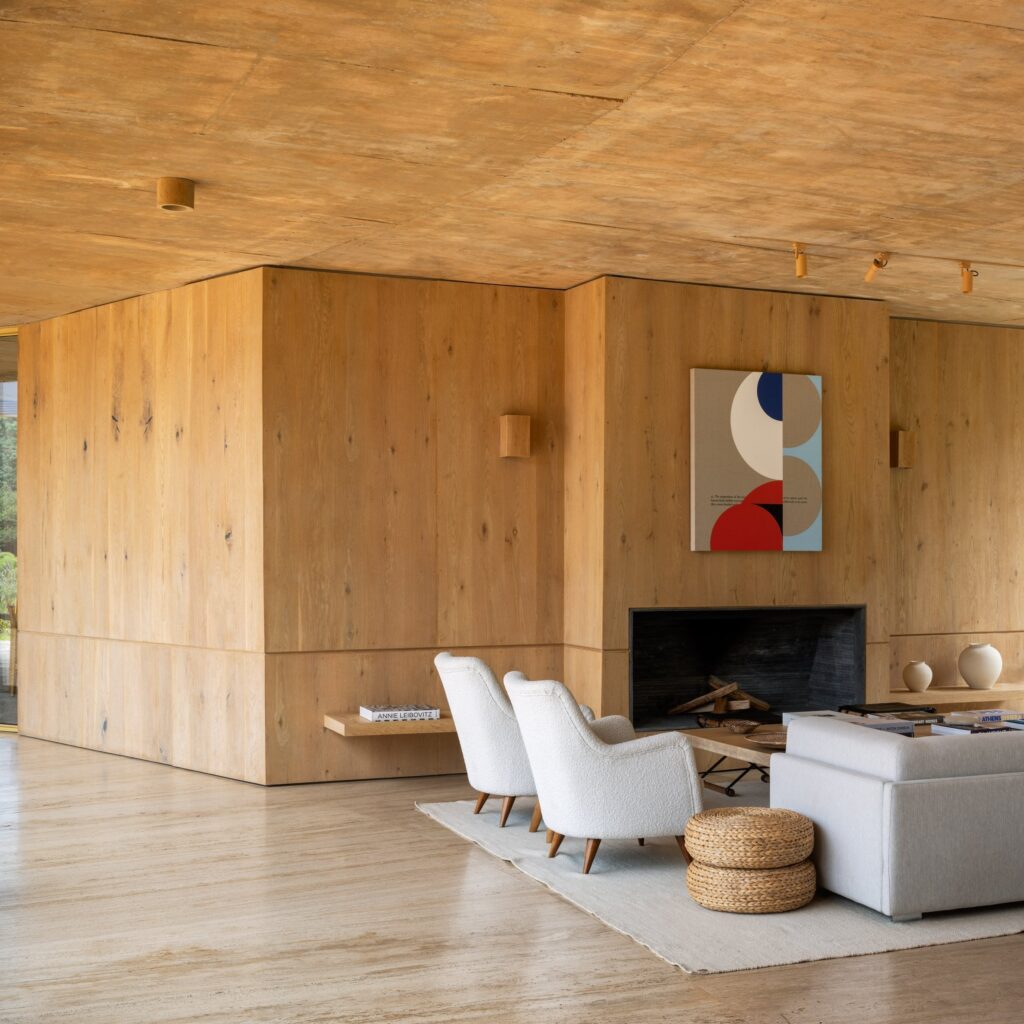
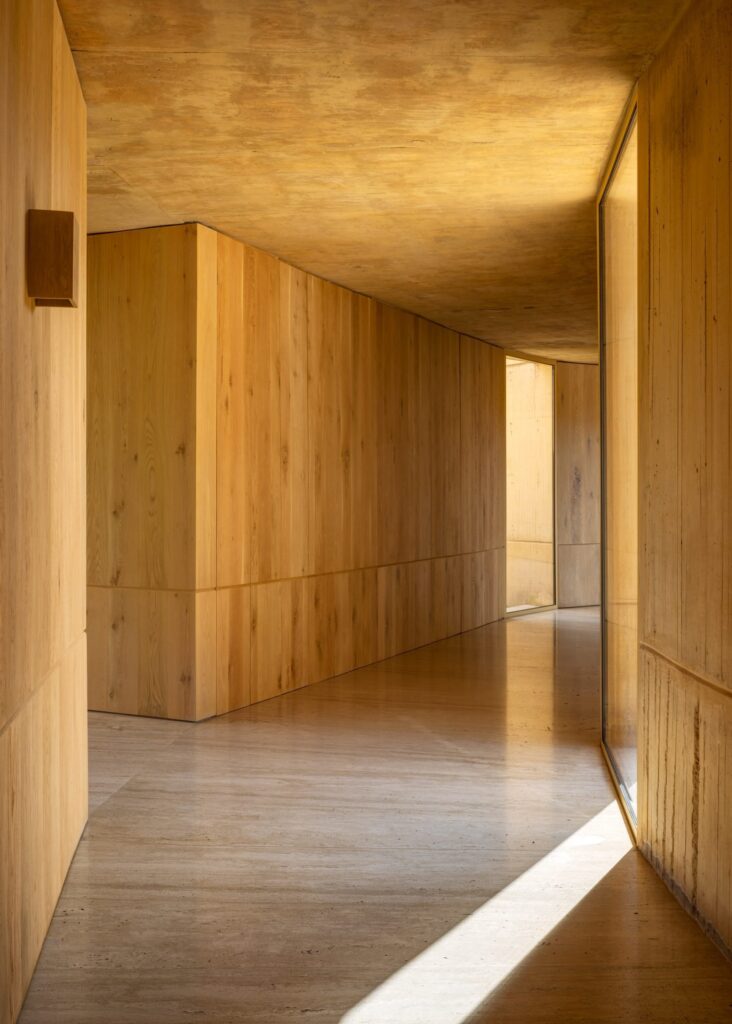
The true brilliance of the design is how it blends this high-concept geometry with practical living. While the circulation corridors are curved, following the radial lines of the ring, the living spaces themselves are arranged as orthogonal, rectangular rooms.
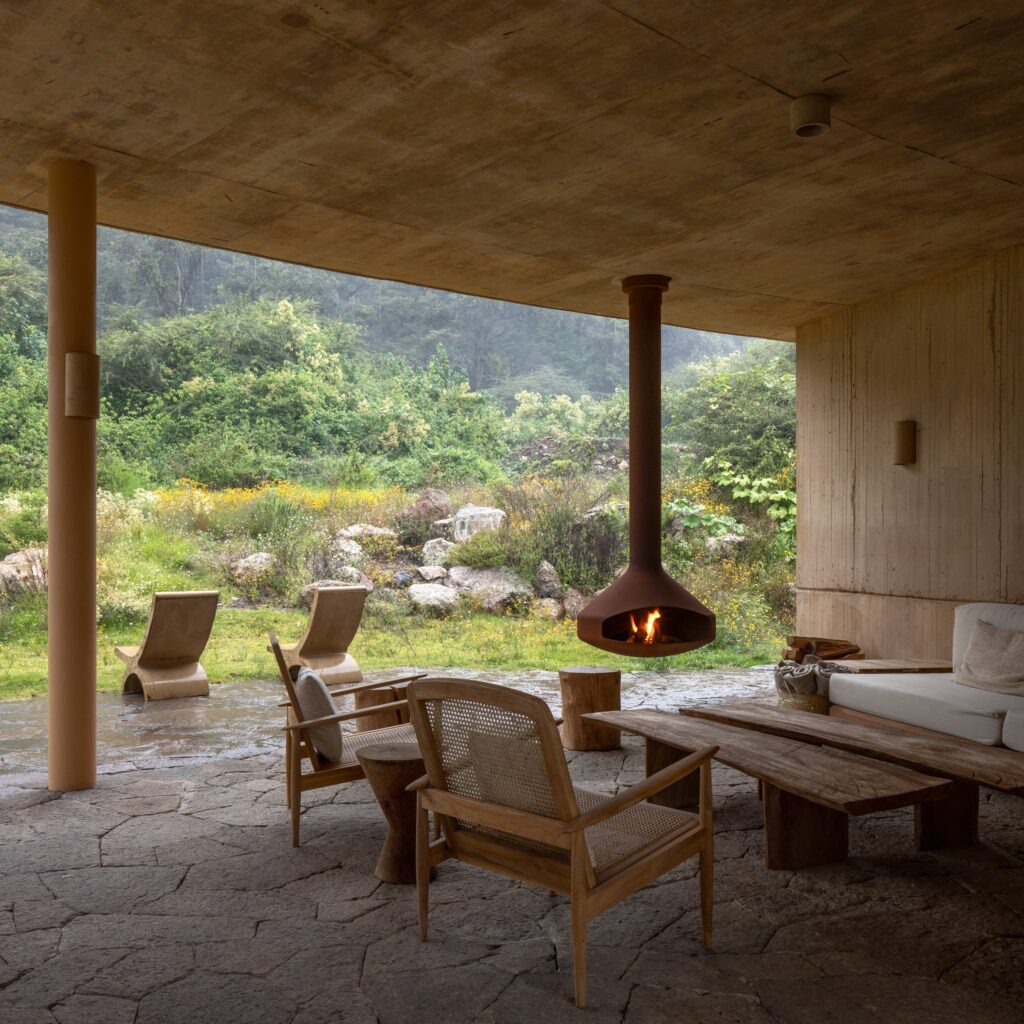
This clever blend ensures that while the journey through the house is fluid and organic, the living areas remain functional, easy to furnish, and free of the awkward, pie-shaped spaces that often plague circular buildings.
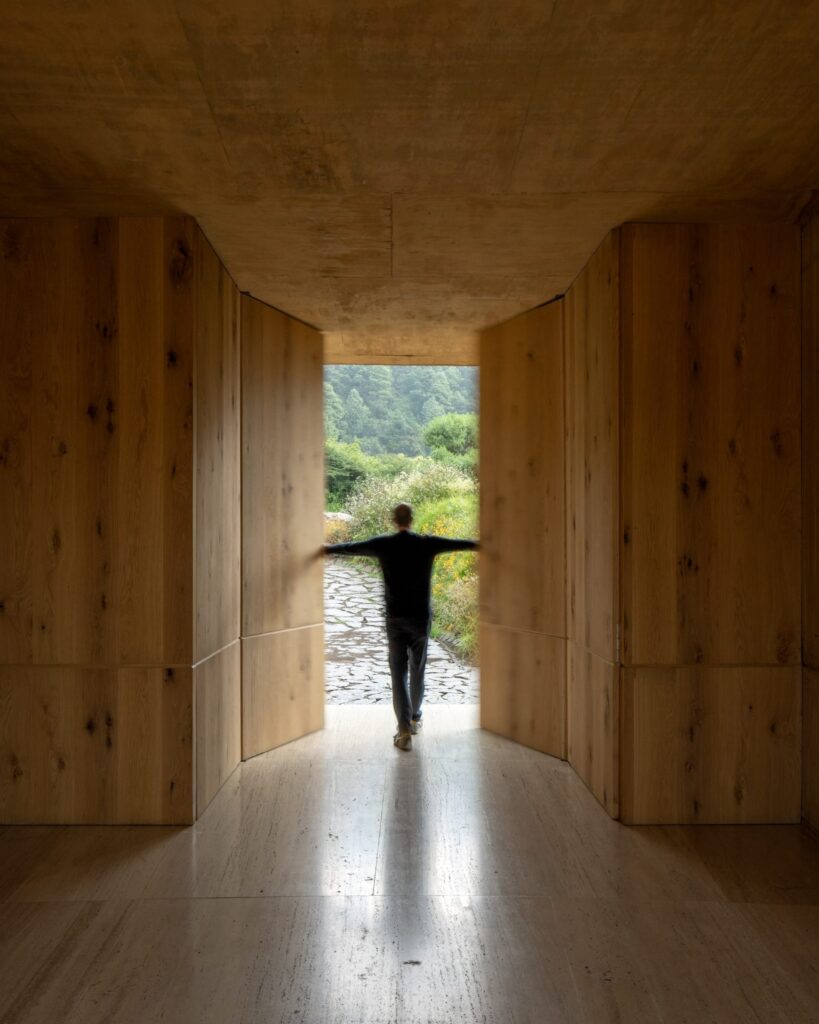
The central open-air patio serves as the home’s “experiential core,” a zen-like void that visually and spatially connects every part of the main house, offering a place of intimacy and warmth when the sun goes down and the focus shifts away from the mountains.
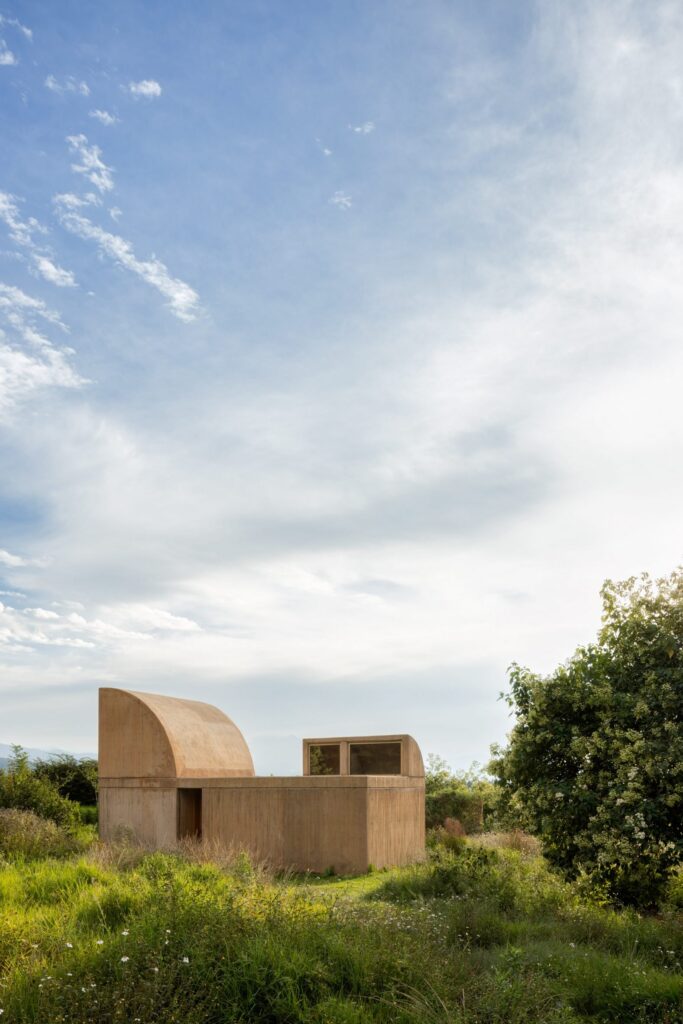
The material honesty of House 720 Degrees is, frankly, spectacular. To adapt to the region’s extreme temperature variations and heavy seasonal rains, the entire low-profile structure is built from a custom concrete mixed with local soil.
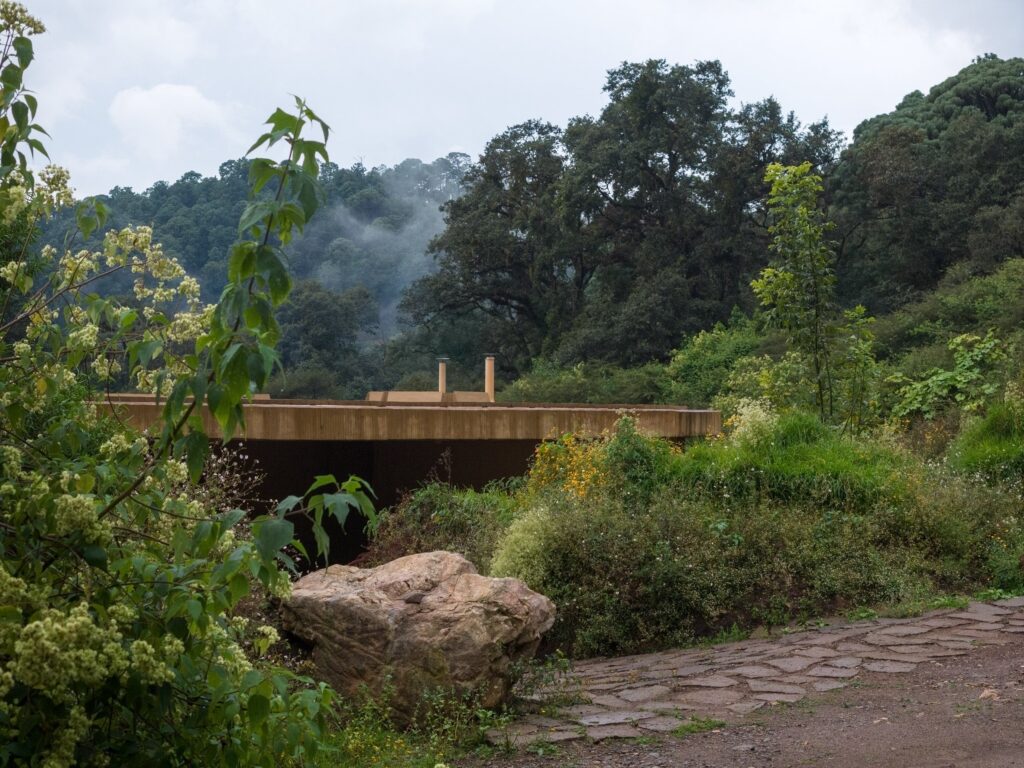
This earthen material was chosen not only for its durability and low maintenance but for its ability to create a natural finish, allowing the massive structure to almost disappear, merging seamlessly into the terrain.
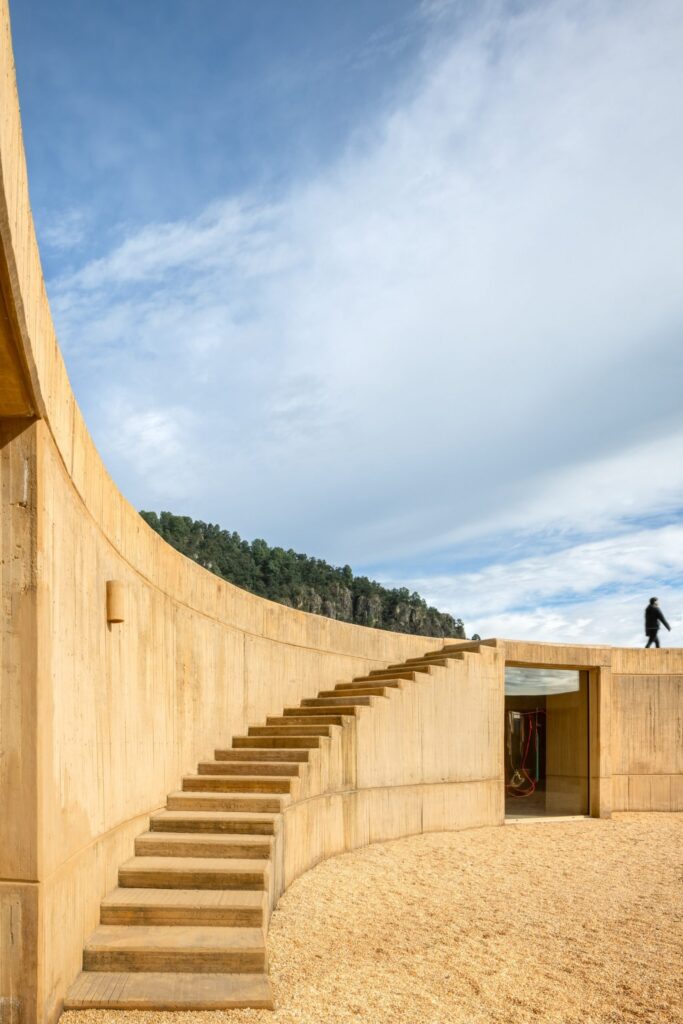
This use of local materials continues throughout the interiors, with grounding elements of oak and stone. In a move that speaks to a holistic design vision, the furniture and lamps were handcrafted on-site, ensuring every piece is in perfect dialogue with the space it occupies.
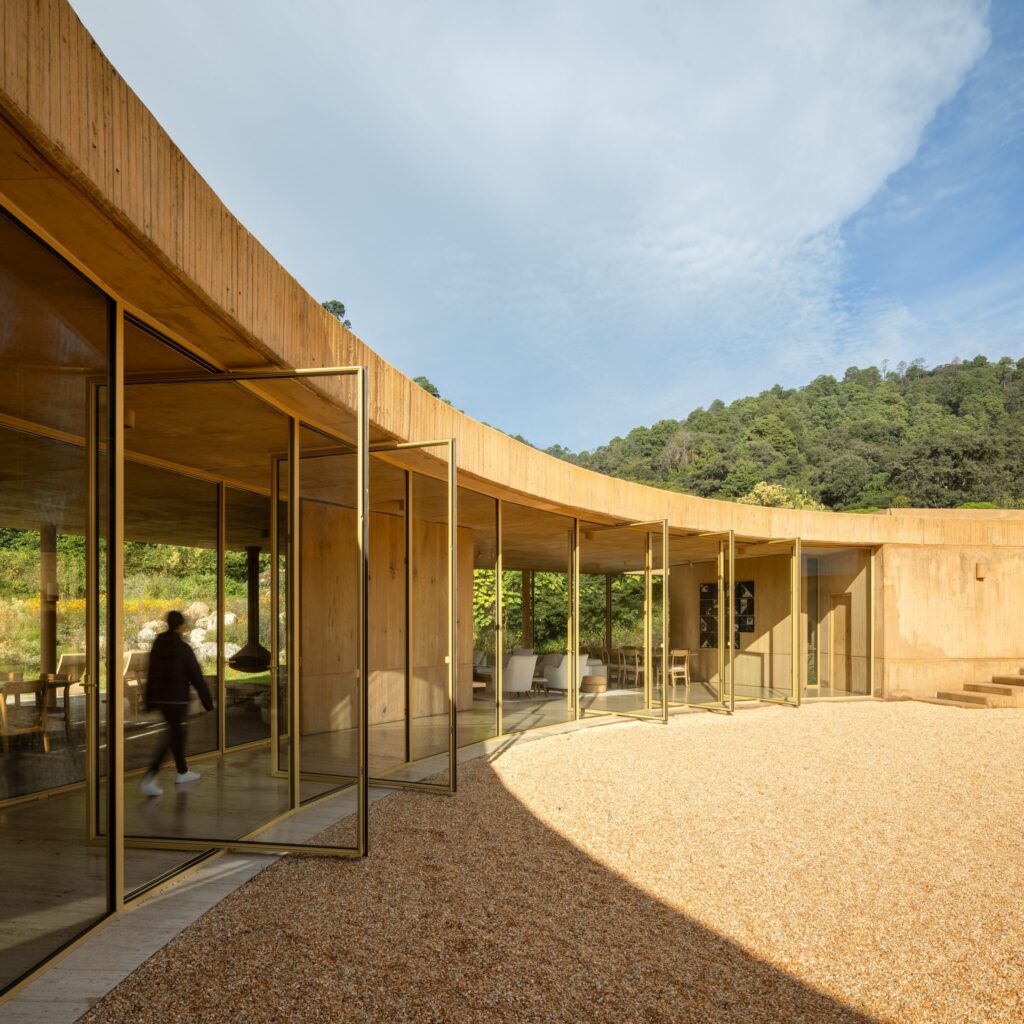
This isn’t just a pretty face; it’s a fortress of self-sufficiency. The earthen materials provide a massive thermal mass, passively regulating the interior temperature.
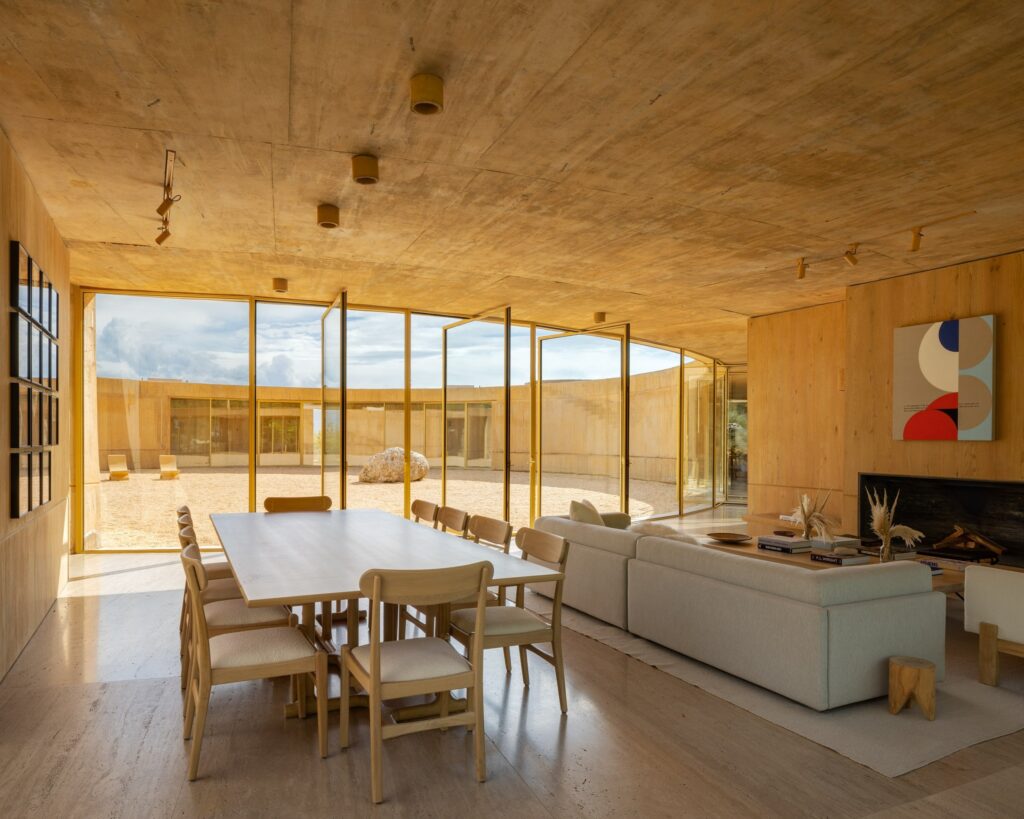
The home’s clever organization and flexible openings allow for natural cross-ventilation, while solar panels on the roof generate all electricity and heating for a completely self-sufficient, off-grid infrastructure.
House 720 Degrees is a masterclass in modern architecture, a home that is simultaneously a shelter from the elements and a complete immersion in them.