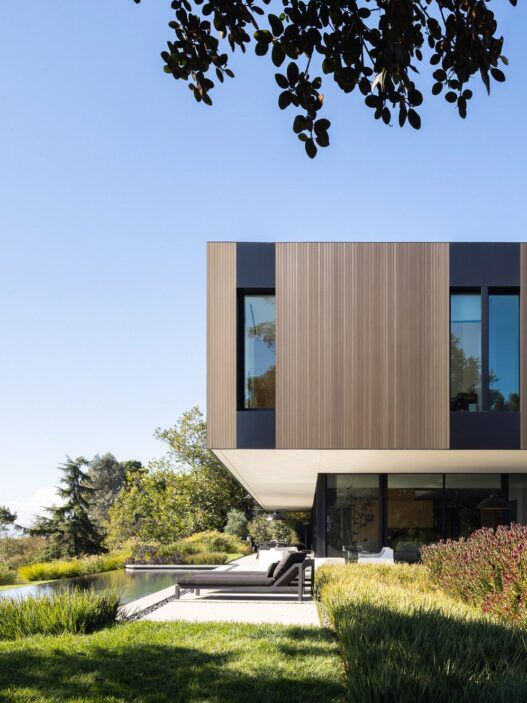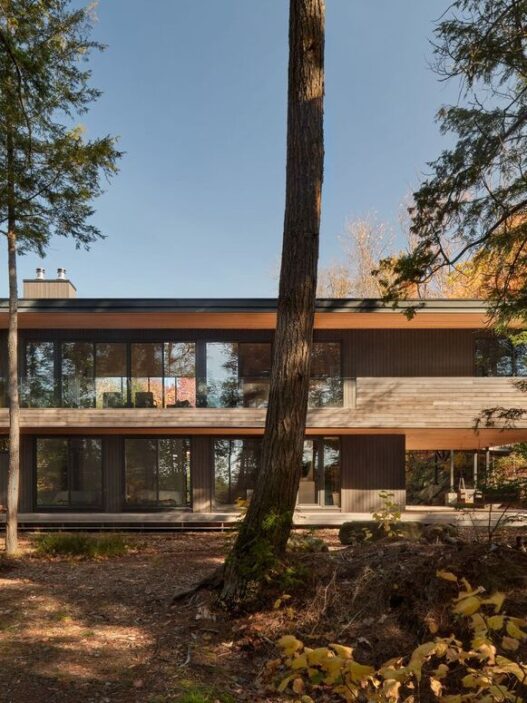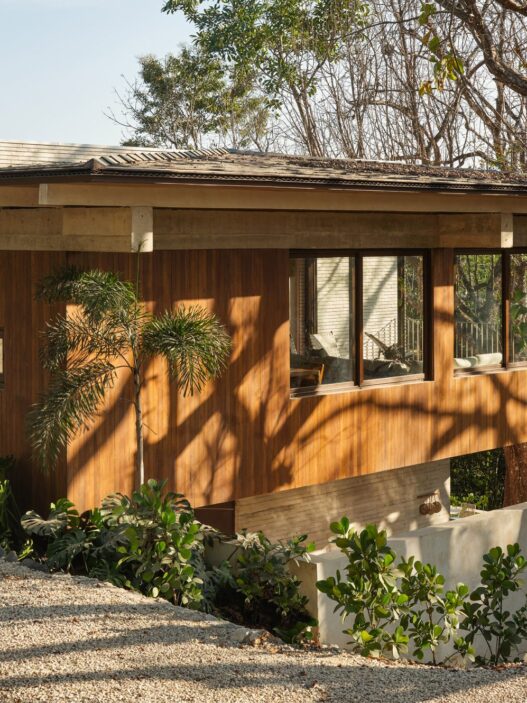










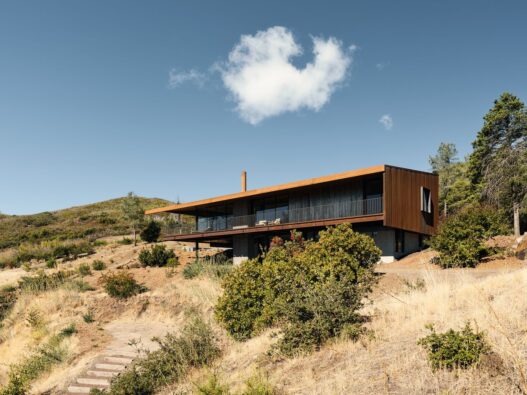
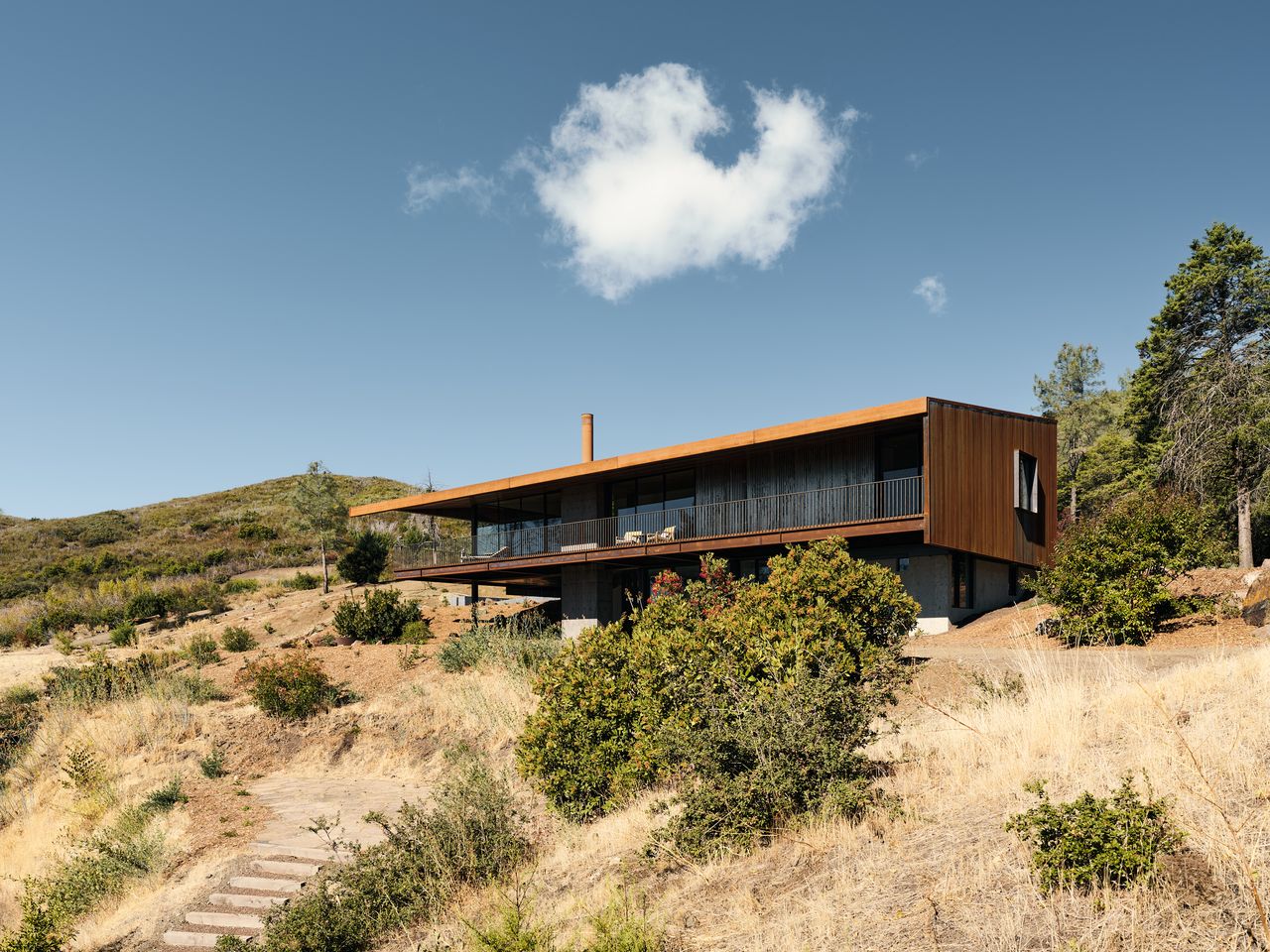
Here at The Coolector, we spend an inordinate amount of time marvelling at residential architecture that doesn’t just look incredible but actively fights back against the elements. When you are building a home in the rugged, fire-prone wilderness of Northern California, pure aesthetics simply cannot take precedence over hardcore survivability.
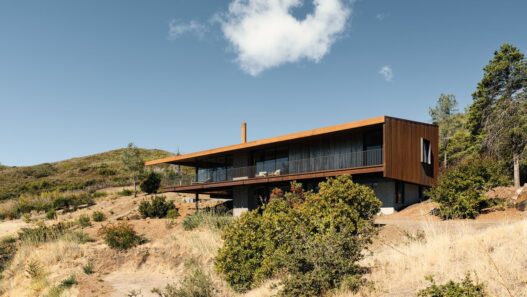
Such is the breathtaking reality of the Pine Flat Residence, a magnificent off-grid retreat masterminded by the visionary team at Faulkner Architects.
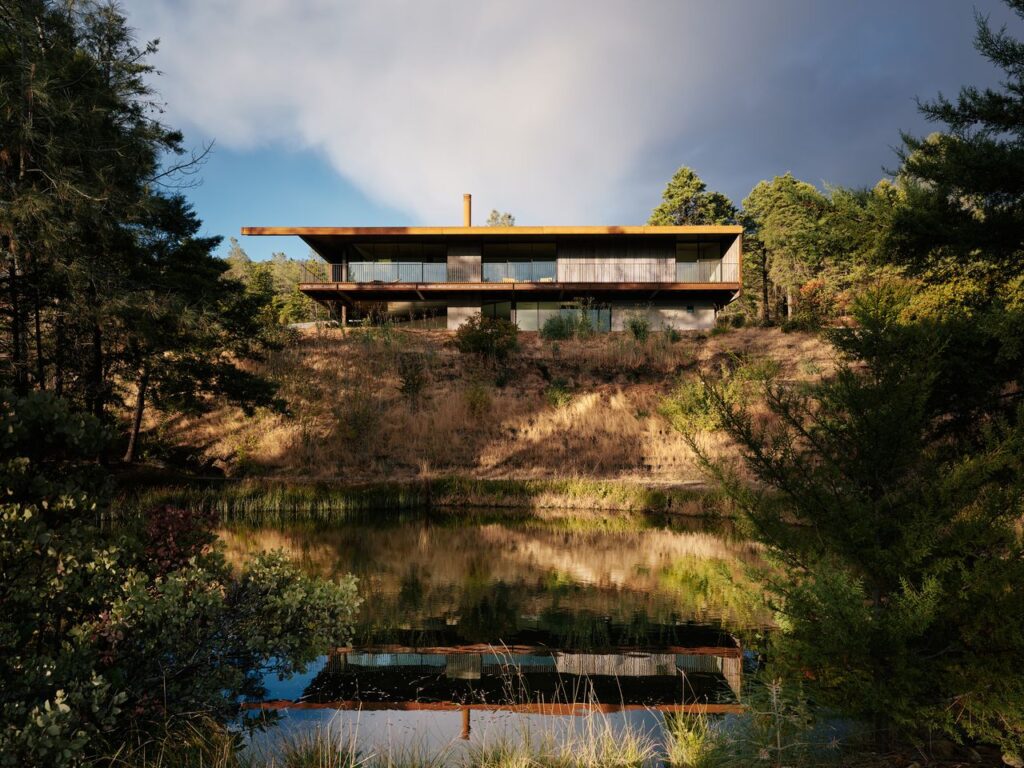
Remotely accessed via a winding former stagecoach road in the Mayacamas Mountains northeast of Healdsburg, this striking project is an absolute masterclass in extreme resilience and landscape-driven design.
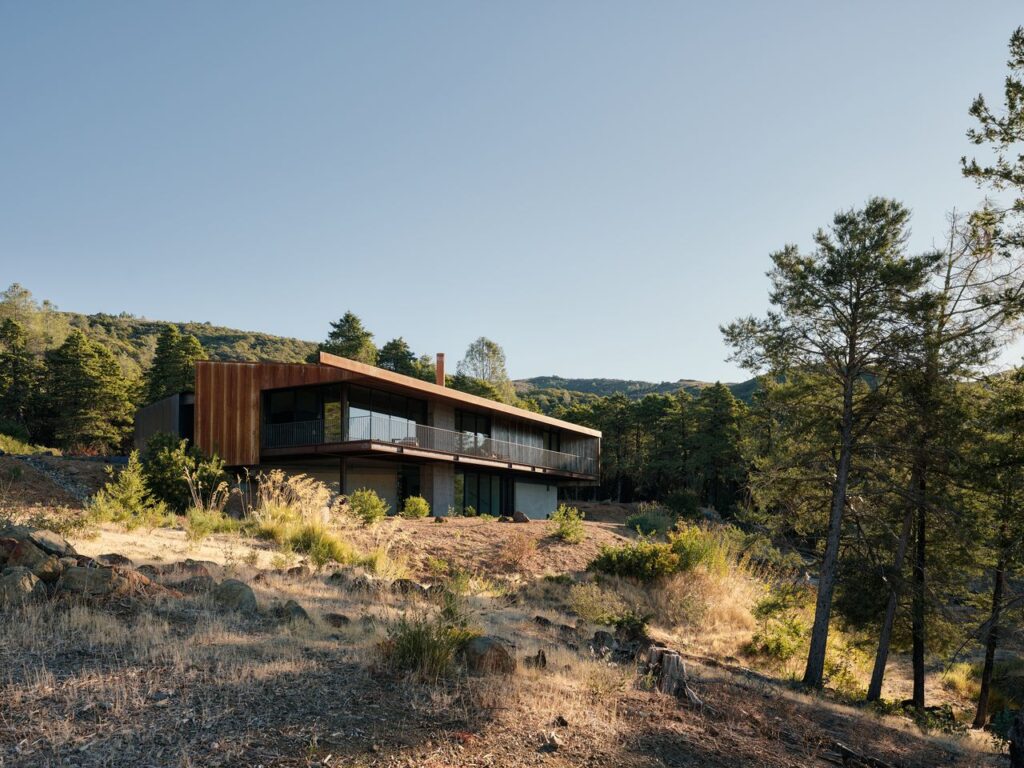
The story behind this specific plot of land is one of profound perseverance. The clients’ previous home on this exact remote ridge was tragically destroyed by the devastating 2019 Kincade Fire. Rather than abandoning the site—a rugged landscape that echoes the pioneering resourcefulness of the historic 1870s quicksilver boomtown of Pine Flat—they decided to rebuild something that could genuinely withstand the escalating wrath of nature.
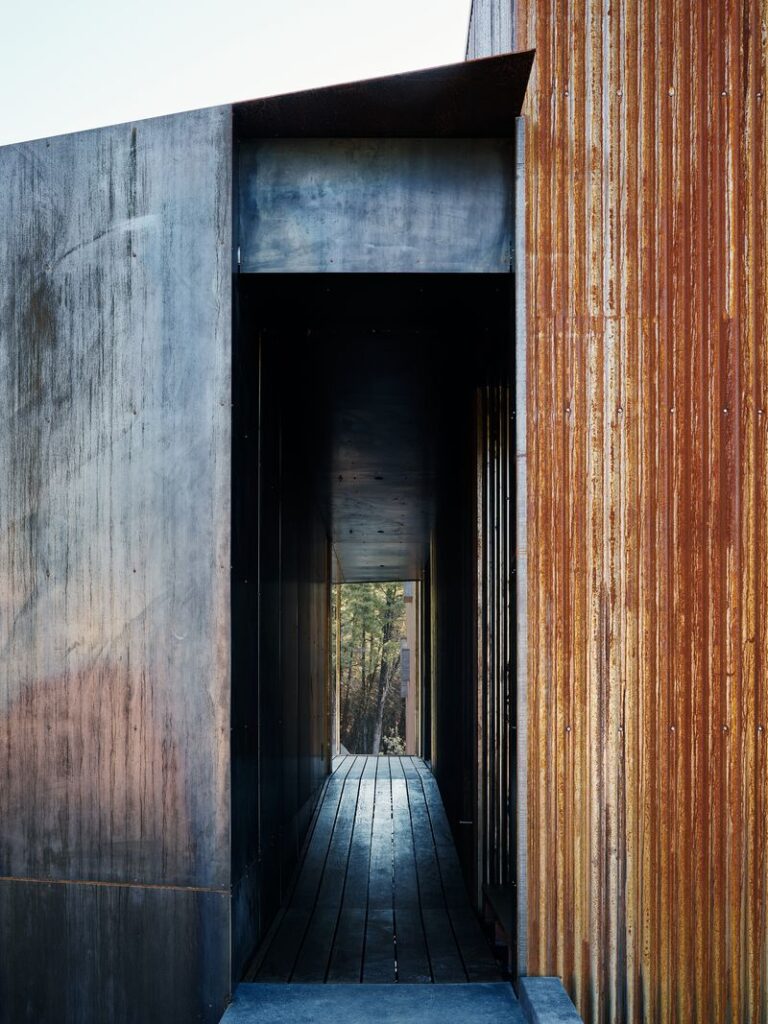
The brief was uncompromising: they needed a durable, low-maintenance, long-lifecycle house that was explicitly wildfire-resilient. Faulkner Architects delivered spectacularly. To protect the home from future infernos, they wrapped the exterior in a robust, fire-resistive Corten steel shell.
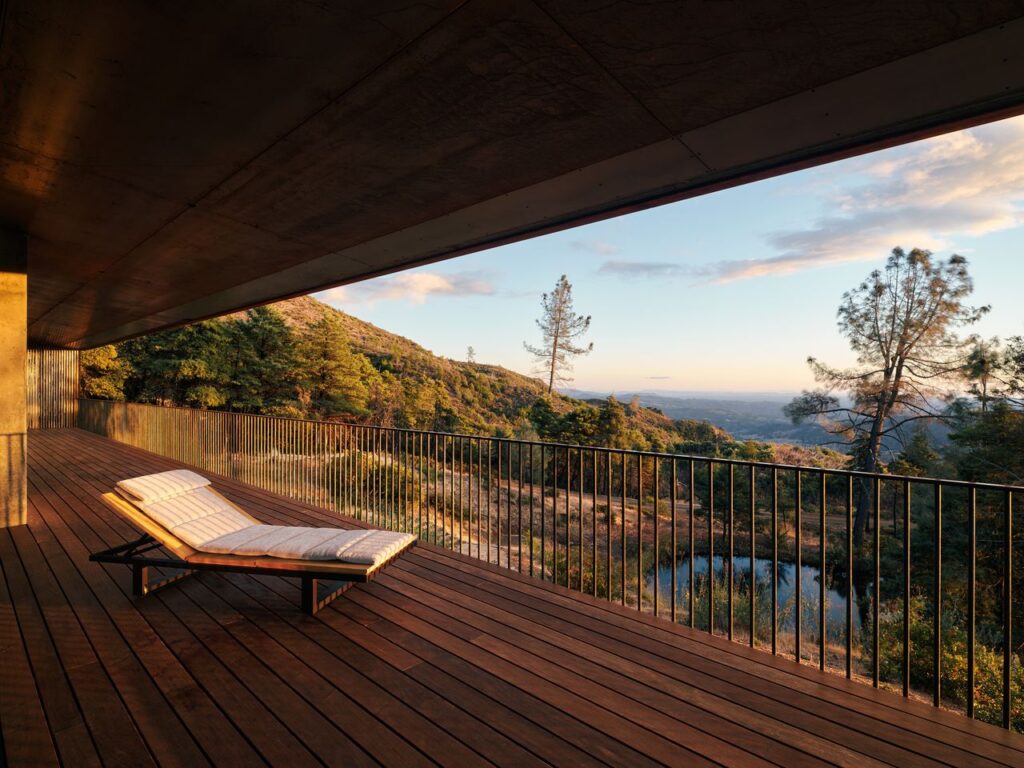
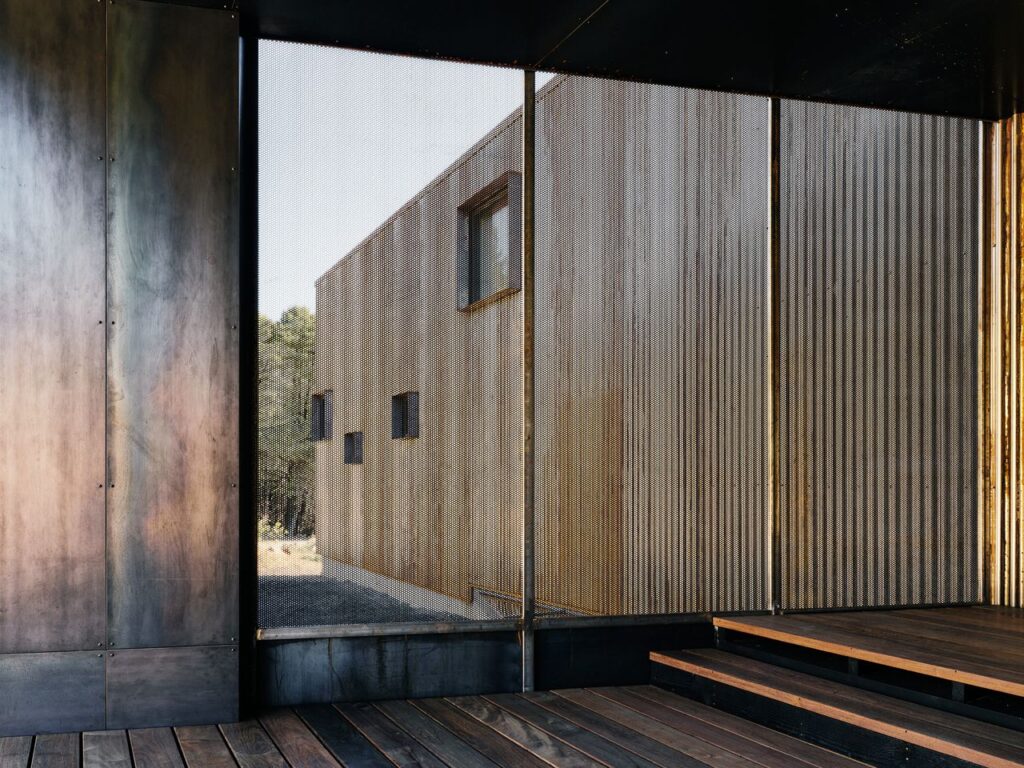
This non-combustible armour is brilliantly complemented by sliding ember screens and an ingenious exterior sprinkler system positioned strategically above the decks to extinguish airborne threats.
What truly sets the Pine Flat Residence apart is its remarkable commitment to sustainable resourcefulness. Instead of completely bulldozing the charred remains of the old property, the architects managed to reuse the existing foundation and walls for a staggering 90% of the project’s concrete.
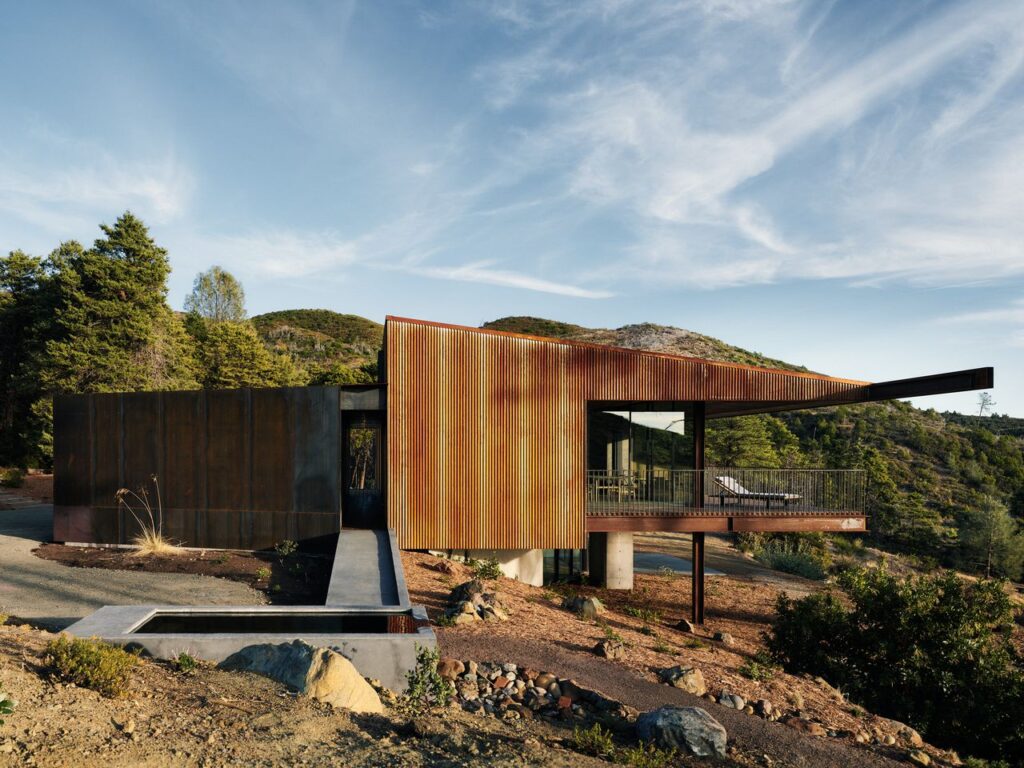
This incredibly smart move retained massive amounts of existing embodied energy and severely limited the need for disruptive new excavation. Today, a striking, rectangular shed form inhabits the old angular foundation. Like stepping delicately on a fallen leaf, the portions of the original footprint that extend beyond the new rectangular outline have been repurposed into a sculptural entry step and a stunning glazed light well.
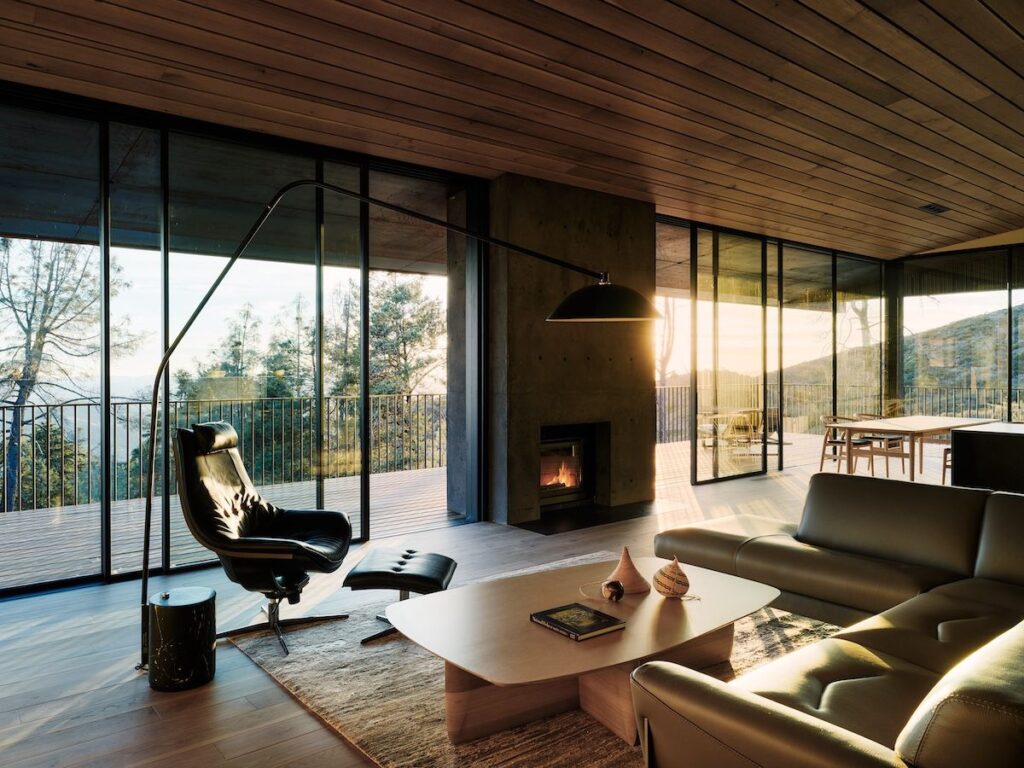
Half-buried into the hillside, this preserved concrete base serves as a rugged juxtaposition to the elevated protective structure above. Inside, a new concrete chimney mass anchors the main floor, framing a view of the fire within the hearth as a poignant reminder of both comfort and past dangers.
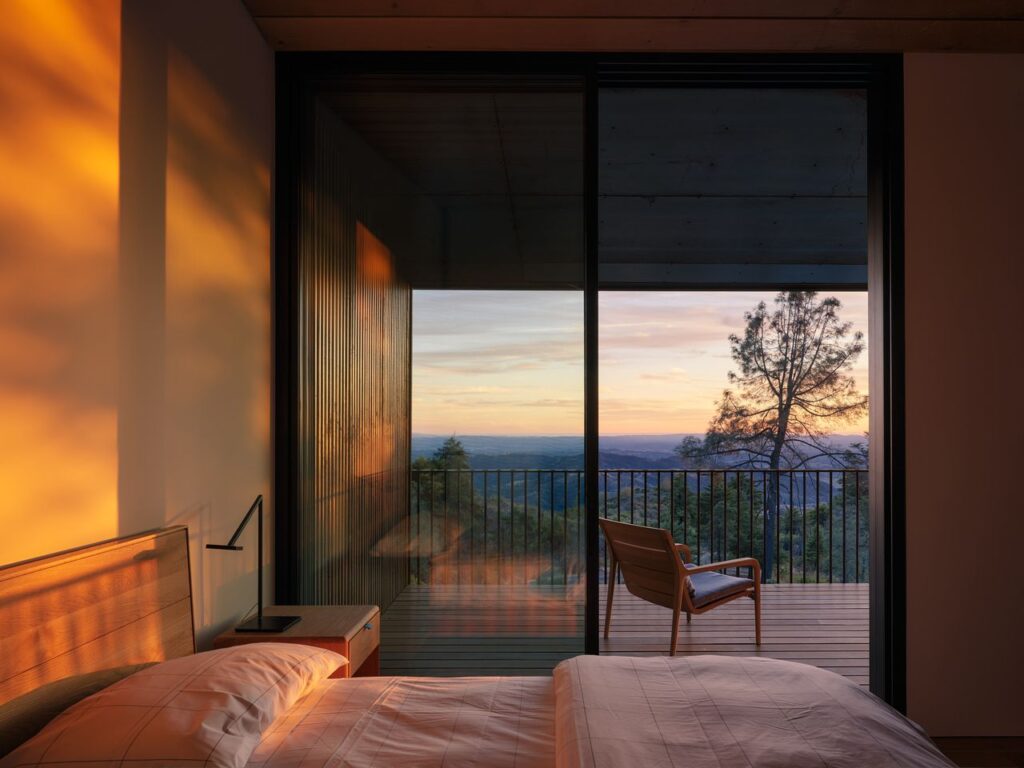
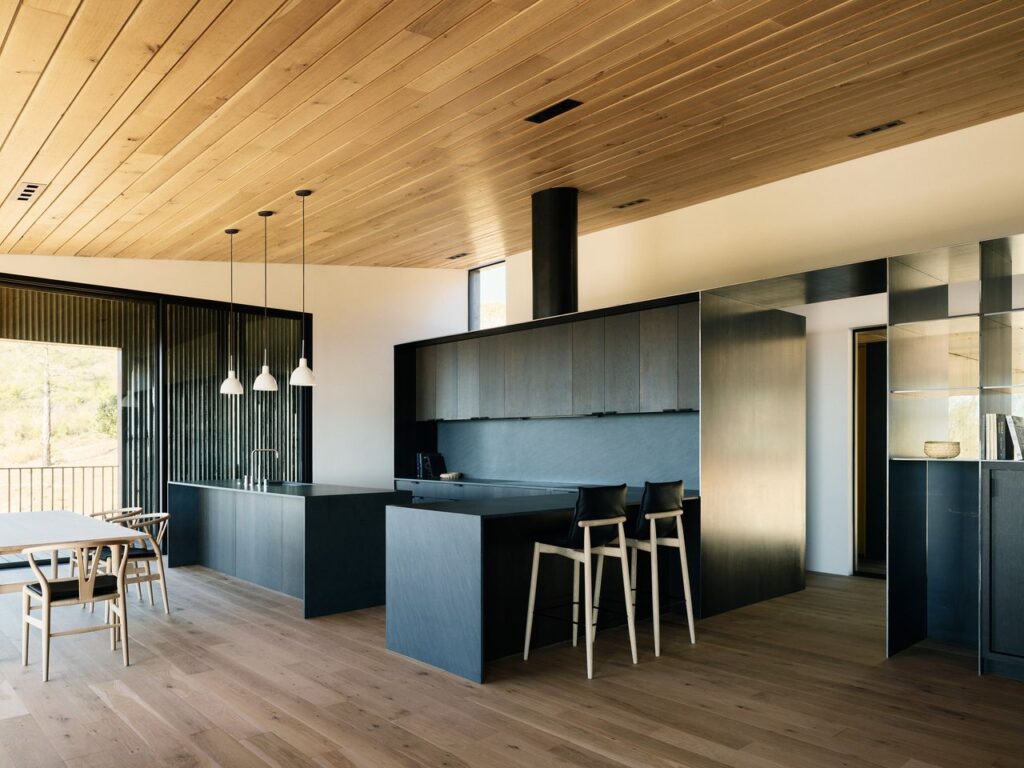
Because the clients wanted this to be their definitive forever home, ensuring accessibility as they aged was paramount. The layout seamlessly integrates an expressive entry ramp, generous wheelchair manoeuvring clearances, and a pre-framed elevator location, keeping the primary bedroom on the exact same level as the communal spaces. Living this remotely also demands extreme self-sufficiency, and the residence operates entirely off the grid.
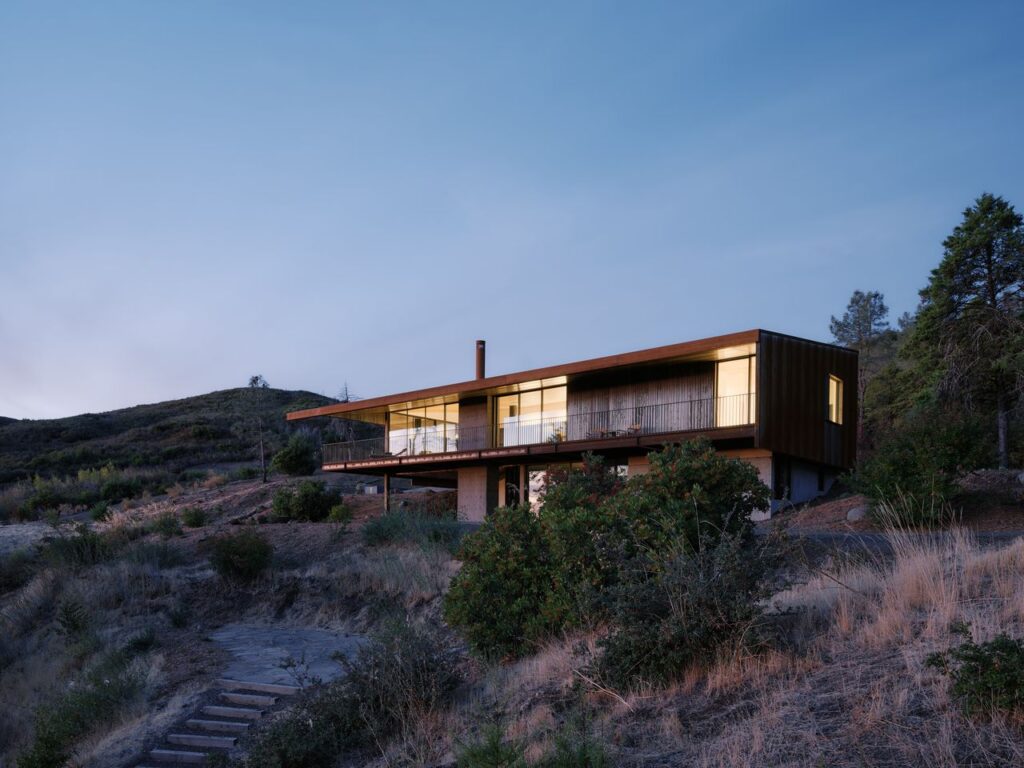
The solar PV array was completely overhauled with upgraded panels and high-capacity batteries. Water management is equally impressive; 100% of stormwater is captured on-site, diverting to a bioretention area and a backup firefighting retention pond.
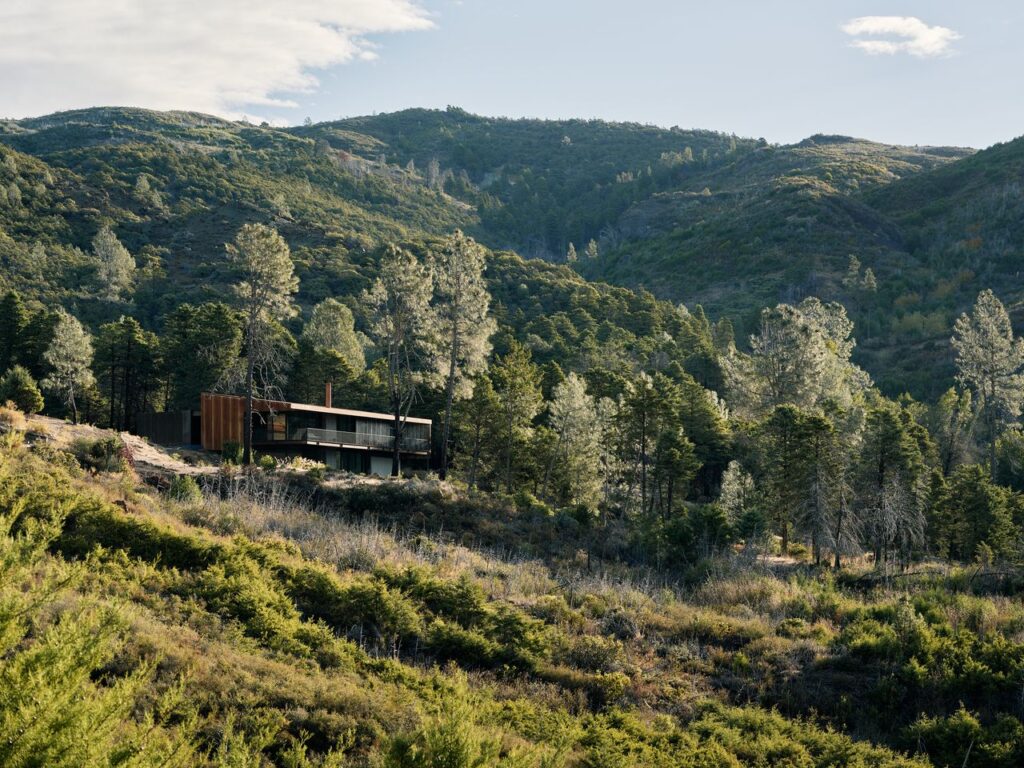
Spring-fed wells provide all domestic water, while a Pelton wheel even harnesses the flow to generate supplementary hydroelectric power before gathering in a concrete basin for cooling dips.
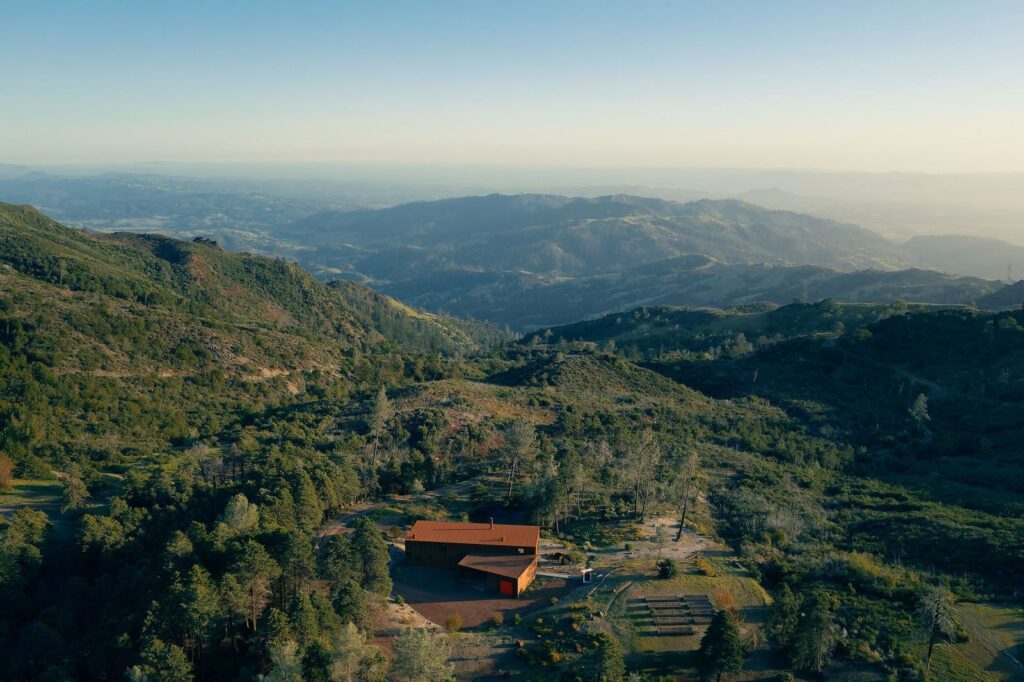
The Pine Flat Residence powerfully exemplifies how architecture must evolve to transcend mere aesthetic considerations, serving as an ultimate, disaster-ready tool for living.
Photography: Joe Fletcher

- Stealthy Sips For The Wild: Introducing The Over-Engineered YETI Flask - March 17, 2026
- Rising From The Ashes: The Spectacularly Resilient Pine Flat Residence - March 17, 2026
- Blasting Back To Childhood: The Masterful LEGO Ideas Tintin Moon Rocket - March 17, 2026